Wondering whether a condo or a single-family home makes more sense in Indialantic? That is a smart question, because on this barrier-island market, your choice affects more than square footage. It shapes your maintenance load, parking routine, insurance planning, and day-to-day beach lifestyle. If you are weighing both options, this guide will help you compare them clearly and confidently. Let’s dive in.
Why this choice matters in Indialantic
Indialantic is not just any coastal town. It sits between the Indian River Lagoon and the Atlantic Ocean, so location here comes with very real lifestyle tradeoffs and benefits. Beach access, parking, storm planning, and property upkeep can all play a bigger role here than they might in an inland neighborhood.
The local housing mix also gives useful context. ACS 2024 5-year estimates show about 1,717 housing units in Indialantic, with roughly 74% in single-unit structures and about 74% owner-occupied. The median value of owner-occupied homes is about $604,200, which reflects a relatively high-value coastal market where detached homes lead the mix, but condos still remain a meaningful option.
Single-family homes in Indialantic
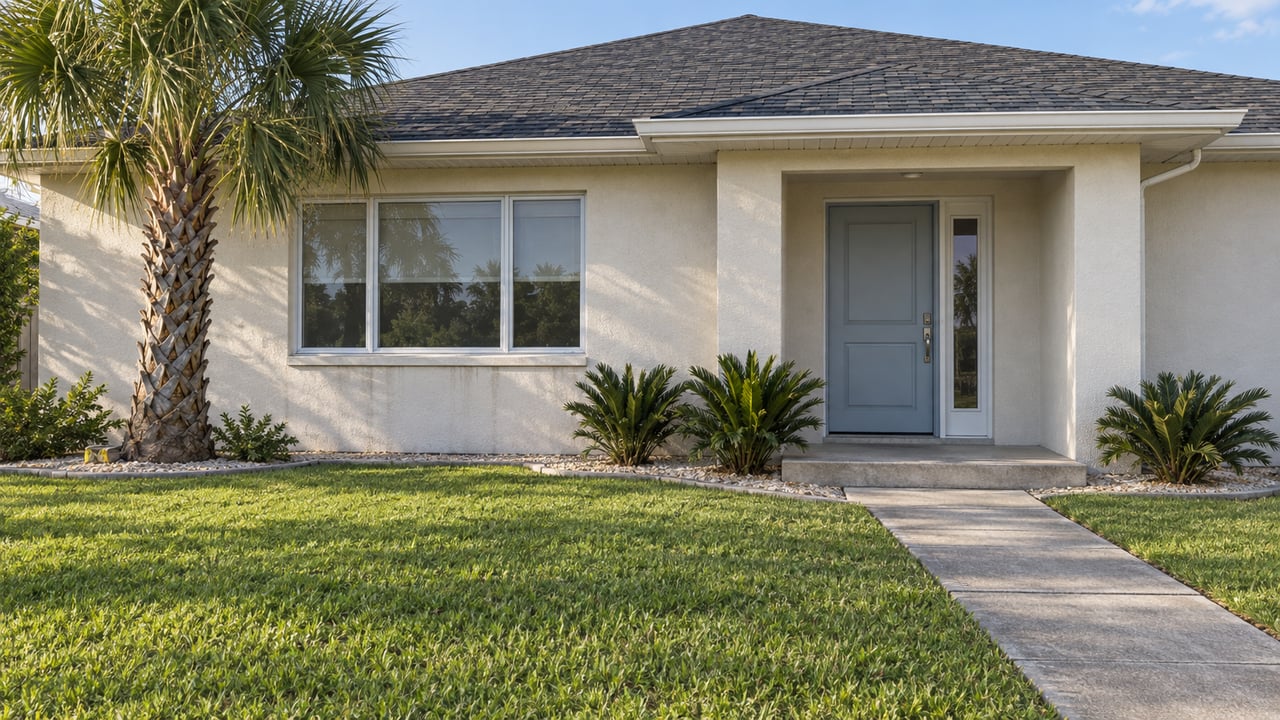
If you want more control over your property, a single-family home will usually feel like the stronger fit. You typically have more say over your yard, exterior spaces, storage, and how the property functions day to day. That extra freedom is often one of the biggest reasons buyers lean toward a house.
Detached homes also tend to work better if you want more parking flexibility. In many cases, you may have a driveway, garage, or additional room for vehicles and storage that would be harder to find in a condo setting. For buyers with beach gear, bikes, paddleboards, or multiple vehicles, that can make daily life much easier.
What more control really means
In Florida, detached homes in HOA communities are generally governed under Chapter 720 rather than condo law under Chapter 718. That usually means you have more direct control over your parcel, even though deed restrictions and architectural rules can still apply. If you are considering a home with an HOA, it is still important to review the declaration and community rules before you buy.
Florida HOA law also gives owners more flexibility in some storage situations than many buyers expect. Certain items stored out of sight from the frontage or adjacent parcels may be protected unless local law says otherwise. That does not mean every community feels unrestricted, but it does highlight how a house often offers a broader rulebook than a condo.
Tradeoffs of a single-family home
More control also means more responsibility. You are usually the one handling exterior maintenance, roof decisions, yard care, repairs, and many insurance choices. In a coastal setting like Indialantic, those responsibilities can carry more weight because weather exposure and insurance planning matter more.
A house may also give you a parking advantage, but it does not erase the realities of beach-town parking. Indialantic manages beach access through meters and permits in key areas, and Nance Park alone has 100 paved parking spaces. So even if your home offers more room at home, you still want to think about how you will access and enjoy the beach regularly.
Condos in Indialantic
A condo can be a great option if you want a more maintenance-light coastal lifestyle. Many buyers like the idea of less exterior upkeep and a more streamlined way to enjoy beachside living. If your goal is simplicity, a condo may check a lot of boxes.
Florida condos are built around shared ownership and shared responsibility. You own your unit, but common elements are maintained through the association, and owners pay assessments that support those expenses. That setup can be appealing if you would rather outsource some of the work that comes with owning a detached home.
What condo ownership involves
Condo ownership comes with more shared governance than many buyers realize. Under Florida condo law, owners have exclusive ownership and possession of their units, but they also share responsibility for common expenses and must follow the condominium documents. Associations also have the right to access units in certain situations to maintain common elements or help prevent damage.
That structure can feel efficient for some buyers and limiting for others. If you value predictable maintenance support, shared amenities, and less hands-on oversight, a condo may be attractive. If you want more independence and fewer rules, it may feel too restrictive.
Condo costs deserve a closer look
Monthly condo costs are not just about dues. In Florida, recent condo reforms created added requirements for some buildings, especially those that are three habitable stories or higher. Milestone inspections are required at 30 years and every 10 years after that, and structural integrity reserve studies follow their own schedule.
For many existing unit-owner-controlled associations, the first reserve study deadline was December 31, 2025. If reserves are low or repairs were delayed, associations may use special assessments, loans, or lines of credit to fund required work. That means a condo with a lower monthly fee today may not always stay that way.
Parking, storage, and privacy differences
For many buyers, the clearest daily-life difference between a condo and a house is parking. Condo parking rights in Florida can be deeded, assigned as a limited common element, or shared depending on the declaration. You should never assume a unit comes with a garage, more than one space, or easy guest parking unless the documents clearly say so.
A single-family home often gives you more flexibility for vehicles, storage, and outdoor gear. That can be especially useful in Indialantic, where many residents want room for beach equipment and a more flexible setup. If convenience at home matters a lot to you, this category often favors a house.
Privacy is another dividing line. Condo living usually means more interaction with neighbors, more shared spaces, and more association oversight. A detached home often gives you more outdoor autonomy and a stronger sense of separation, which can be important if quiet and personalization matter to you.
Insurance and flood questions matter here
In Indialantic, the condo-versus-house decision should always include insurance and flood planning. Florida’s insurance regulator says standard homeowners policies generally do not cover flooding, so flood insurance is purchased separately and may be required depending on the property location. On a barrier island, that is not a side issue. It is a core part of the budget.
Some properties may also fall within special flood hazard areas with added coastal construction requirements. Brevard County provides flood-zone guidance and a floodplain office for local questions, which can help you understand property-specific risks. You also may want to compare insurance quotes early so your monthly cost picture is more realistic.
Wind-mitigation features can matter too. Florida’s insurance regulator tracks wind-mitigation discounts, which may affect premiums in coastal markets. Features like shutters or impact windows can play a role, whether you are comparing a condo unit or a single-family home.
A simple way to choose
If you are deciding between the two, it helps to step back and think about how you want to live, not just what looks best in photos. In Indialantic, the better fit often comes down to whether you want to outsource more maintenance and share more control, or keep more control and accept more responsibility.
A condo may fit you best if you want:
- Less exterior maintenance
- A simpler lock-and-leave lifestyle
- Shared amenities
- Less day-to-day property oversight
- Comfort with association rules, budgets, and reserve planning
A single-family home may fit you best if you want:
- More privacy
- More control over your parcel and improvements
- Better parking and storage flexibility
- More room for outdoor living and personalization
- Willingness to manage upkeep, repairs, and more insurance decisions yourself
What to review before making an offer
No matter which path you choose, your due diligence matters. In a coastal market, small details can affect both lifestyle and long-term cost. The right documents can help you avoid surprises.
If you are buying a condo or a home in an HOA, ask for the association budget and official records. For condos, also review any available reserve study or milestone inspection summary if applicable. Then compare those findings with flood-zone information and insurance quotes so you understand the full monthly picture before closing.
Florida law gives owners access to condo and HOA records within statutory timelines, which makes this review process practical and important. A property may look perfect at first glance, but the documents often tell you how it will really feel to own.
In the end, the best choice in Indialantic is usually not about whether condos or houses are better in general. It is about which option matches your lifestyle, your comfort with shared decision-making, and your budget for coastal ownership. When you weigh parking, maintenance, privacy, association health, and insurance together, the right answer becomes much clearer.
If you want help comparing homes, condos, and coastal ownership costs in Indialantic, schedule your personalized Space Coast market consultation with MVP Sales Group (Meili Viera).
FAQs
What is the main difference between an Indialantic condo and a single-family home?
- In Indialantic, a condo usually offers less exterior maintenance and more shared governance, while a single-family home usually offers more privacy, parking flexibility, and control over the property.
What should you review before buying a condo in Indialantic?
- You should review the association budget, official records, and any applicable reserve study or milestone inspection summary, then compare those details with insurance quotes and flood-zone information.
How does parking work for condos in Indialantic?
- Condo parking depends on the condominium documents and may be deeded, assigned, or shared, so you should confirm the exact parking rights instead of assuming the unit includes certain spaces.
Why does beach parking matter when buying in Indialantic?
- Indialantic manages beach access through meters, permits, and public parking areas such as Nance Park, so daily beach convenience depends not just on your home type but also on how you plan to access the shoreline.
Does a homeowners insurance policy cover flood damage in Indialantic?
- Florida’s insurance regulator says homeowners policies generally do not cover flooding, so flood insurance is typically purchased separately and may be required depending on the property location.
Are single-family homes in Indialantic always free from association rules?
- No, some single-family homes are in HOA communities, and those communities may have rules about exterior changes and other property uses, so you should review the governing documents carefully.