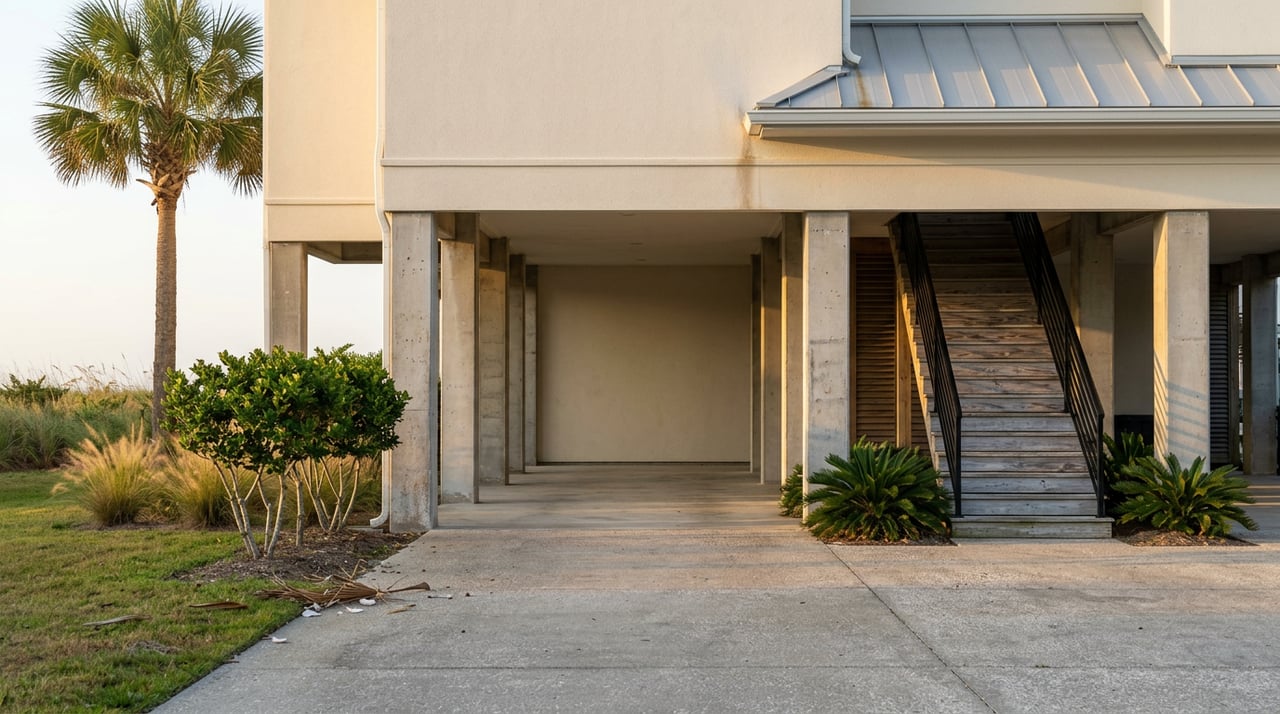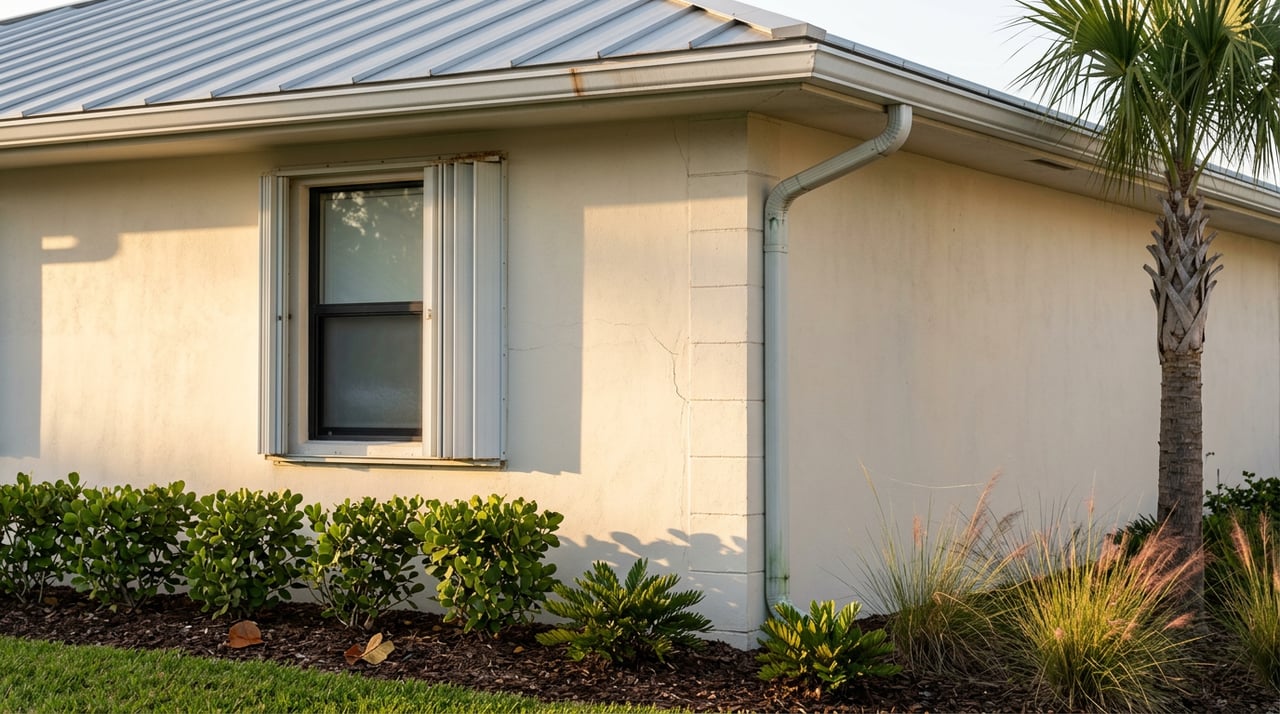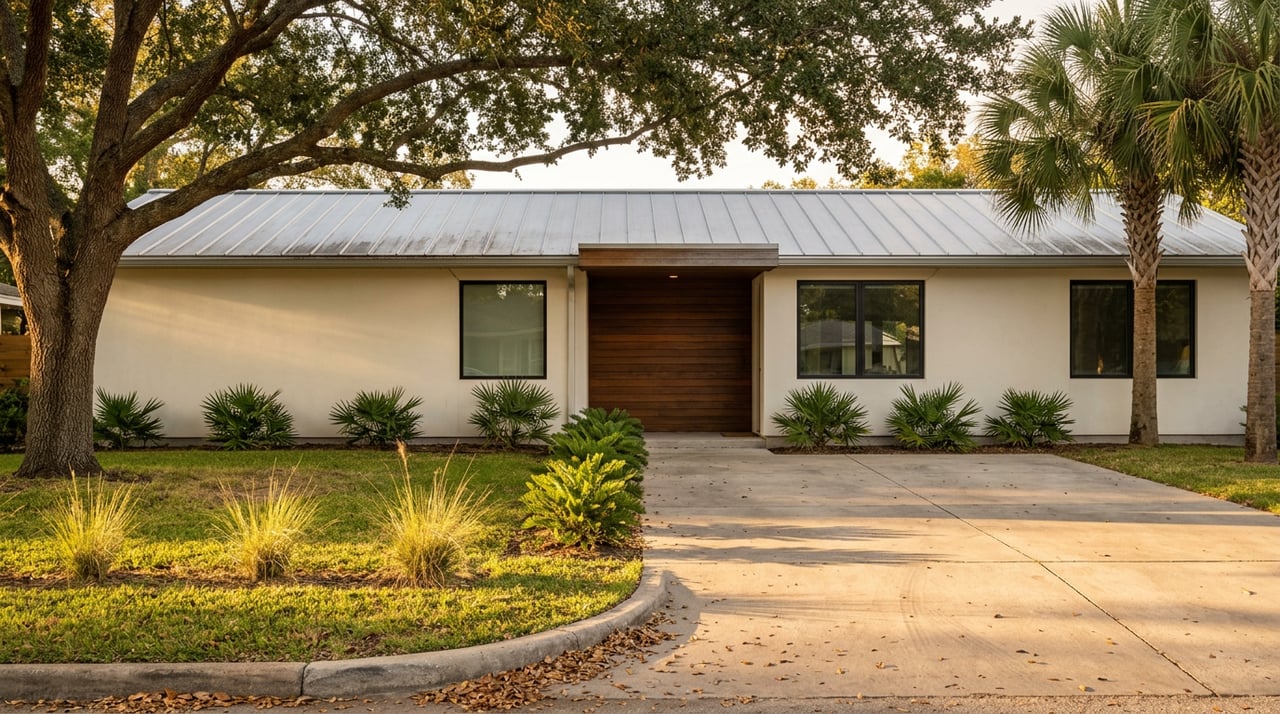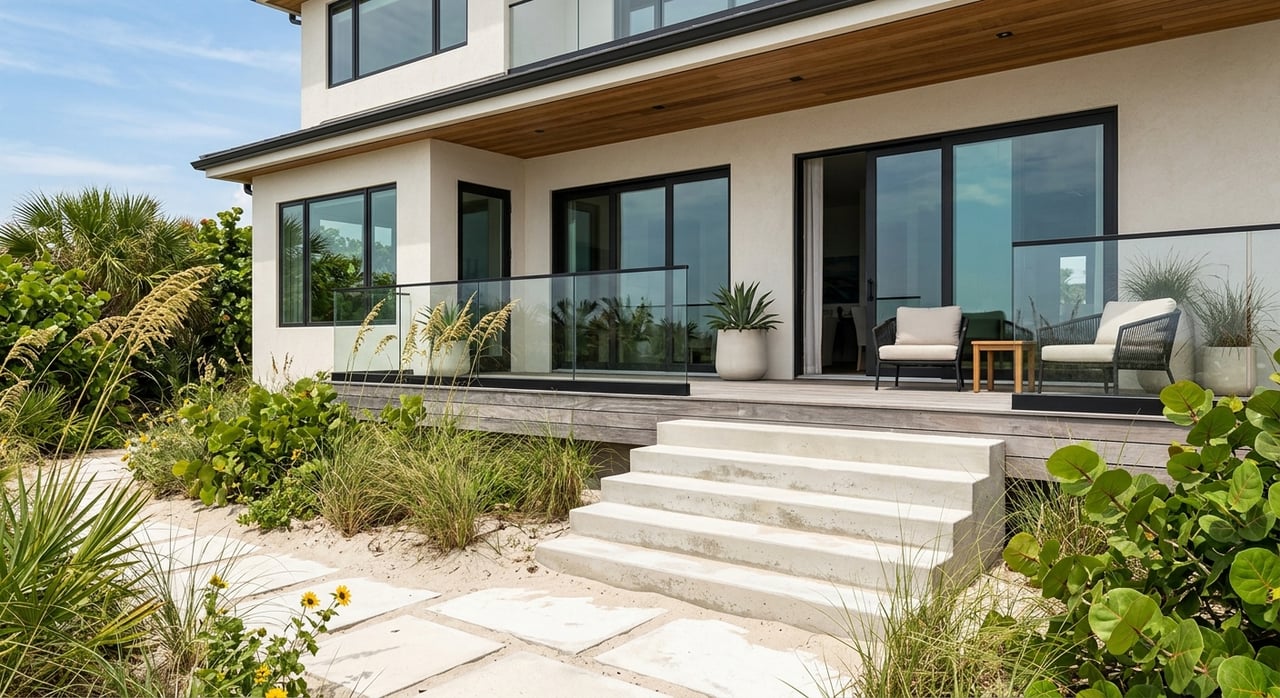
Wondering whether paying for true oceanfront in Melbourne Beach is worth it, or if a second-row home gives you the better overall lifestyle? That is one of the biggest questions coastal buyers face here, especially when prices are already elevated across the market. If you are weighing views, access, upkeep, and long-term value, this guide will help you compare the tradeoffs clearly. Let’s dive in.
Melbourne Beach Price Gap
In Melbourne Beach, the baseline cost of entry is already high. Redfin reports a median sale price of $798,522 over the last three months, with homes taking a median of 74 days to sell as of May 2026. That matters because the oceanfront versus second-row choice is usually less about finding a deal and more about deciding where you want to place your budget.
True oceanfront homes are also scarce. Redfin currently shows just 6 homes matching ocean front in Melbourne Beach, which supports the idea that direct Atlantic frontage is a limited asset. When supply is that tight, pricing often reflects rarity as much as square footage or finishes.
Current listing examples show how far the top end can run. Oceanfront homes include listings around $1.38 million, $2.45 million, and $5.675 million for properties with direct beach access and panoramic views. On the second row or near the beach, examples include homes or units around $399,000, $435,000, and about $580,100.
Because those examples include different property types, they should be read as directional, not as a formal side-by-side comp set. Still, they suggest a meaningful premium for direct frontage that can begin around $900,000 and rise into the millions, depending on lot size, condition, and construction quality. In simple terms, oceanfront in Melbourne Beach is often a premium lifestyle purchase.
Oceanfront Lifestyle Benefits
The biggest draw of oceanfront ownership is easy to understand. You get direct Atlantic frontage, uninterrupted views, and beach access from your property itself. The ocean is not nearby. It is part of your everyday setting.
That changes how the home lives. Listings for oceanfront properties in Melbourne Beach highlight panoramic water views, ocean-facing decks, and private access points to the sand. If your ideal morning starts with stepping outside and seeing the Atlantic with no road or access path in between, oceanfront delivers that in a way second-row homes usually cannot.
There is also a rarity factor that appeals to many buyers. With only a handful of direct oceanfront options on the market, ownership can feel more exclusive simply because there are fewer chances to buy it. For some buyers, that scarcity is part of the value.
Second-Row Lifestyle Advantages
Second-row homes offer a different version of coastal living. In Melbourne Beach, these homes are often located across the street from the ocean, across from a beach access point, or a short walk from deeded or private access. You still live close to the beach, but usually at a lower purchase price.
That lower entry point can open up more choices. Instead of putting all of your budget into direct frontage, you may be able to prioritize updated interiors, more usable outdoor space, extra garage or parking capacity, or other features that matter in daily life. For many buyers, that tradeoff feels practical and smart.
Some second-row listings also mention limited ocean views, balcony views, private beach access, or deeded easements. In other words, you may still get a strong beach lifestyle without paying direct-oceanfront pricing. If you care more about being near the water often than owning the frontage itself, second row can be a strong fit.
Beach Access in Melbourne Beach
One reason second-row living can work well here is that Melbourne Beach has a strong public beach and nature-oriented setup. Brevard County’s Bonsteel Park offers ADA-accessible beach access, a boardwalk to the Barrier Island Sanctuary education center, surf fishing, and free parking. That means direct frontage is not the only way to enjoy the shoreline.
You should also know that local access can shift temporarily. The Town of Melbourne Beach notes that beach renourishment work can close access points as projects move northward. If easy beach access is central to your decision, it helps to confirm how a specific home connects to the beach on a day-to-day basis.
For some buyers, the best balance is a second-row property with clearly defined beach access rights. That can preserve a coastal routine while reducing the upfront cost compared with direct oceanfront ownership.
Ownership Costs and Exposure
The purchase price is only one part of the decision. Oceanfront ownership usually comes with more exposure to flood risk, salt air, wind, and coastal storm impacts. Brevard County notes that flooding can come from heavy rainfall, tidal surges tied to coastal storms, tropical storms, hurricanes, and the Atlantic Ocean itself.
Standard homeowners insurance generally does not cover flood damage. FEMA states that flood insurance is typically a separate policy, so buyers should look at that cost early in the process. This can be especially important for oceanfront homes, where the risk profile is often more complex.
FEMA also notes that salt spray and onshore winds can accelerate corrosion, and that corrosion risk can vary based on distance from the shoreline, wind patterns, and seasonal wave conditions. Annual inspections and corrosion-resistant materials may be important for homes closer to the water. That does not mean second-row homes are free from coastal wear, but direct frontage usually increases the exposure.
Brevard County also points out that floodplains help with natural flood and erosion control. For oceanfront buyers, that is a reminder that the setting is beautiful, but it also comes with a more exposed building envelope and a more complicated maintenance picture.
Permits and Coastal Rules
Oceanfront buyers should pay close attention to permitting. Florida’s Coastal Construction Control Line program regulates structures and activities that may cause beach erosion, destabilize dunes, damage upland properties, or interfere with public access. The program also protects sea turtles and dune plants.
In practical terms, that means exterior work on an oceanfront property may face more coastal review than similar work farther from the shoreline. If you hope to add decks, modify windows, work on dune crossovers, or plan major exterior updates, permit history and future approval paths matter.
Brevard County’s floodplain office is also an important resource for due diligence. It serves as the official local repository for FEMA flood maps and can provide elevation certificates. The county notes that if reconstruction or improvements reach 50% or more of a building’s market value, the work is treated as a substantial improvement and must meet current standards.
For residential structures, that typically means raising the living area at least one foot above base flood elevation. That rule can be especially relevant if you are buying an older coastal home with renovation plans. A lower purchase price can look very different once required improvements are factored in.
Local Lifestyle Details to Know
Beach living in Melbourne Beach also comes with local rules that affect how you use the property. The Town allows recreational beach fires only in designated pits from 5:00 p.m. to 11:00 p.m. and only during the non-turtle nesting months of November through February. If beach gatherings are part of your vision, it helps to know those limits in advance.
Sea turtle protection is another important local consideration. Brevard County describes its beaches as among the world’s most important nesting beaches for sea turtles and asks residents near the beach to turn off lights during nesting season. That can be especially relevant for homes with large ocean-facing windows or expansive outdoor lighting.
These details do not make one option better than the other, but they do affect daily living. A home’s relationship to the beach is not just about the view. It is also about access, stewardship, and how you maintain the property in a coastal environment.
How to Choose the Right Fit
If your top priorities are uninterrupted Atlantic views, direct private beach access, and owning one of the most limited property types in Melbourne Beach, oceanfront may be worth the premium. You are paying for maximum immediacy to the beach and the rarity that comes with it. For some buyers, that is exactly the point.
If you want the beach woven into daily life but do not need to step onto the sand from your backyard, second row may offer better value efficiency. You may keep your total entry cost lower while still enjoying access, possible views, and a strong coastal location. That can leave room in your budget for renovations, reserves, or lifestyle upgrades.
A smart decision usually comes down to how you rank these factors:
- Purchase price
- View quality
- Beach access style
- Flood zone and elevation
- Insurance cost
- Maintenance expectations
- Renovation or addition plans
- Permit complexity
Before you decide, verify the exact flood zone, elevation certificate, flood insurance quote, recorded beach access rights, and any permit history tied to decks, windows, additions, or dune-related improvements. The Brevard County floodplain office and Brevard County Property Appraiser records are strong starting points for that review.
If you want help comparing Melbourne Beach oceanfront and second-row options with a clear eye on lifestyle, risk, and long-term value, connect with MVP Sales Group (Meili Viera) for a personalized Space Coast market consultation.
FAQs
What is the difference between oceanfront and second-row homes in Melbourne Beach?
- Oceanfront homes have direct Atlantic frontage, while second-row homes are typically across the street, across from a beach access point, or a short walk from the beach.
How much more do oceanfront homes cost in Melbourne Beach?
- Current examples suggest the premium for direct oceanfront can start around $900,000 and rise into the multiple millions, depending on the property.
Are second-row homes in Melbourne Beach still close to the beach?
- Yes. Many second-row homes offer deeded access, private access, or a short walk across the street to the beach.
What due diligence matters most for Melbourne Beach coastal homes?
- Key items include the flood zone, elevation certificate, flood insurance quote, beach-access rights, and permit history for exterior or coastal-related improvements.
Are oceanfront homes in Melbourne Beach harder to maintain?
- They can be, because direct frontage typically means more exposure to salt spray, wind, flooding, corrosion, and coastal permitting considerations.
Can you enjoy the beach in Melbourne Beach without buying oceanfront?
- Yes. Melbourne Beach offers public access options, and many second-row homes also provide private or deeded beach access.