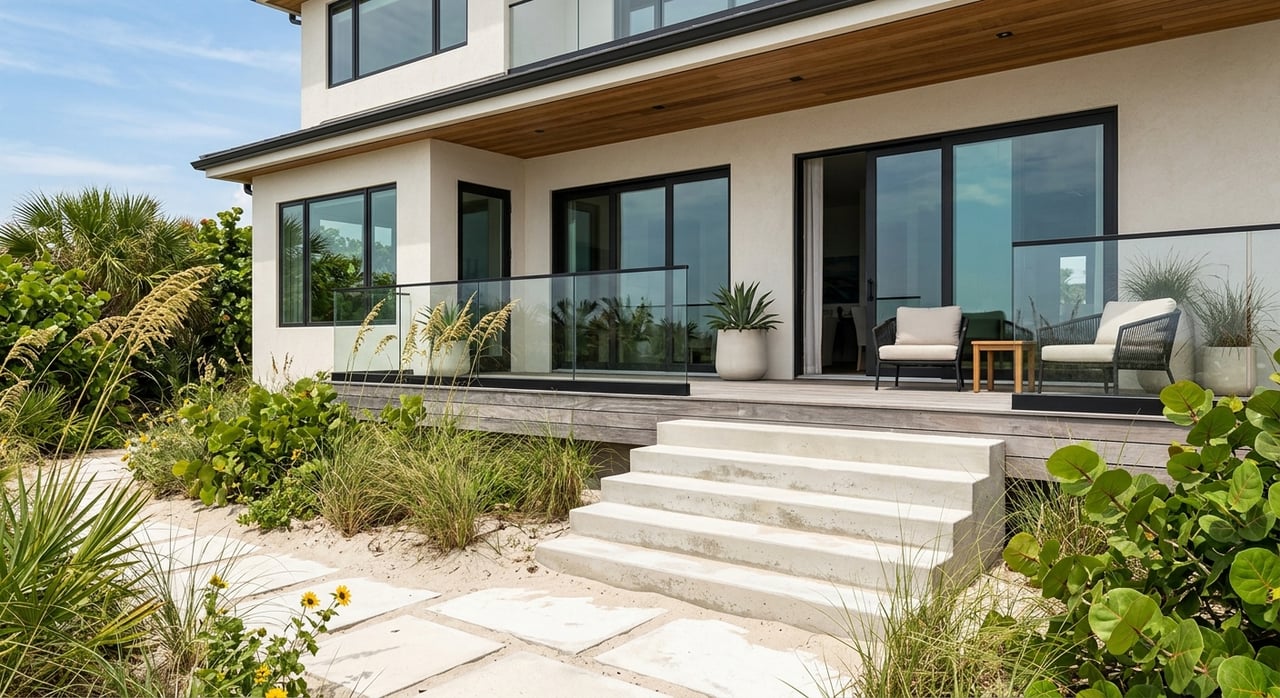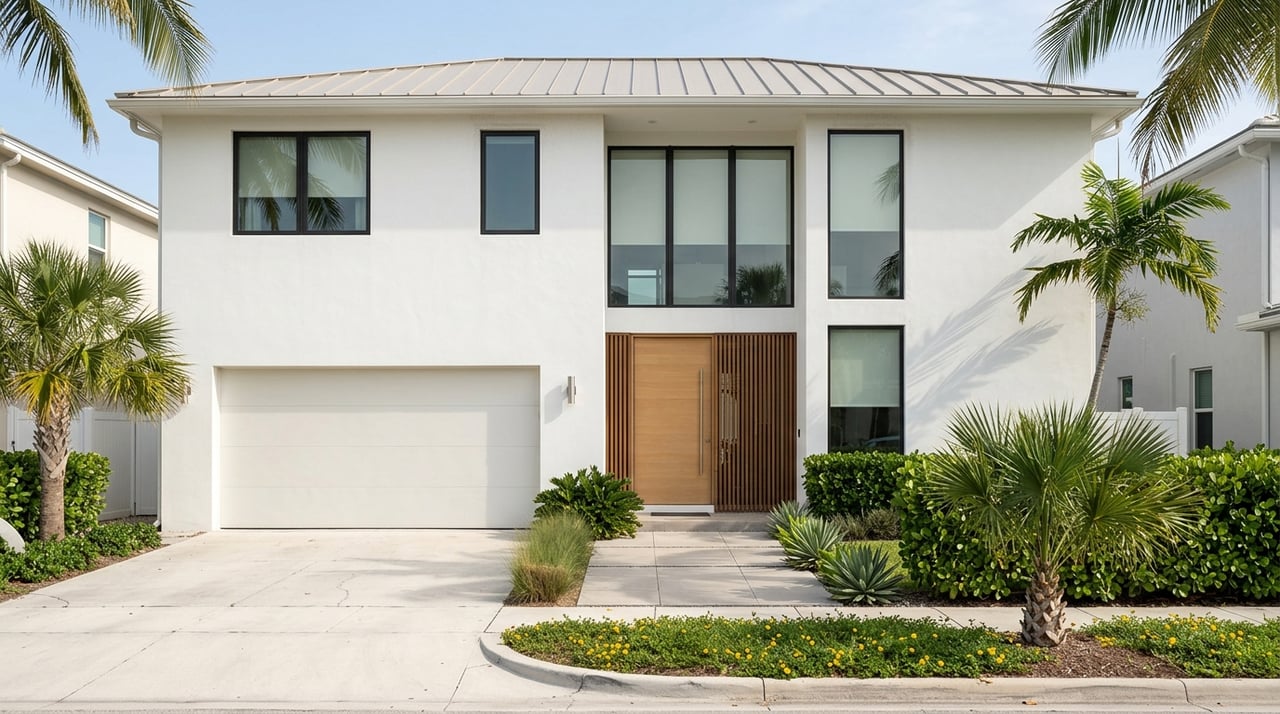
If you have ever looked at a map of Indialantic and thought, "How much can a few blocks really matter?" the answer is: quite a bit. In this one-square-mile barrier-island town, small shifts in location can affect beach access, lagoon proximity, view potential, redevelopment limits, and even whether a property sits inside town limits at all. If you are buying, selling, or simply tracking values here, understanding the ocean-to-river corridor gives you a clearer picture of what drives pricing and demand. Let’s dive in.
Why Indialantic Feels Like a Micro-Market
Indialantic is a compact beachside town between the Atlantic Ocean and the Indian River Lagoon. According to Brevard County’s landmark guide, the town began in 1915 as beachside land between the river and ocean, and public data today shows a small but established community of about 3,065 residents and 1,717 housing units.
That small footprint is exactly why the market behaves differently from larger communities. When inventory is spread across a narrow strip of land with different access points, lot orientations, and development constraints, you do not get one uniform price story. You get a patchwork of mini-markets.
The town also notes that its approximate limits run from Miami Avenue on the south to Watson Avenue on the north, and that some properties north of Watson may have Indialantic mailing addresses but are outside official town limits. You can review that local context through the town’s zoning map resources. For buyers and sellers, that means you should be careful about relying on mailing address or ZIP code alone when comparing homes.
What the Current Market Suggests
The latest data points do not show a single clean number, but they do show a useful pattern. Redfin’s February 2026 market snapshot reported a median sale price of $568,500, 4 homes sold, and a median 113 days on market, while Realtor.com’s local overview showed roughly 150 homes for sale and a median list price near $650,000 for the broader area.
Those numbers differ because each source measures something different. Closed sales, active listings, and modeled values are not the same thing. The bigger takeaway is that supply remains limited, and the gap between asking prices and closed sales is still large enough that strategy matters.
That matters whether you are buying or selling. Buyers need to know where negotiation room may exist, and sellers need to understand that pricing a home correctly in this corridor takes more than pulling one broad market average.
Why a Few Blocks Can Change Value
In Indialantic, location is not just about being close to the water. It is about which water, how you access it, and what can be built or preserved around you.
Brevard County’s planning framework emphasizes scenic vista preservation and requires visual corridors or breezeways for certain oceanfront and riverfront development. In practical terms, that means direct views and protected sightlines can carry real value because they are limited and not evenly distributed.
This is one reason two homes with similar square footage can perform very differently. A parcel with stronger view access, fewer visual obstructions, or better orientation to the ocean or lagoon may command a premium compared with an inland lot just a short distance away.
Beach Access Drives Demand
Walkability is one of the biggest value drivers in the corridor. The closer a home is to an easy, usable beach access point, the more attention it may attract from both full-time residents and second-home buyers.
A central example is Nance Park, a 5.45-acre beach park at the east end of Fifth Avenue with a boardwalk, showers, volleyball courts, and parking. Town planning documents also identify this area as a focal point, and the town is studying further boardwalk and pedestrian improvements near Wave Crest Avenue to improve access while protecting dunes and using low-impact development principles.
That means value is often tied to more than "ocean side" or "river side." In many cases, the most competitive blocks are those that combine coastal proximity with a practical beach entry, public amenities, and a comfortable walking route to nearby commercial spots along Fifth Avenue or A1A.
The Corridor Has Mixed Housing Types
Another reason this area acts like a micro-market is product mix. The corridor is not made up of one housing style or one buyer profile.
Active listings in the broader Indialantic area have included condo units along North Highway A1A as well as detached homes on streets like S Miramar Avenue and Coral Way E, according to Realtor.com’s market overview. That mix matters because condos, attached units, and detached homes can respond differently to shifts in insurance costs, maintenance expectations, and buyer demand.
For sellers, that means your competition may not be every home in town. Your true comparison set may be much narrower based on property type, block, access pattern, and view orientation. For buyers, it means you should compare like with like rather than assuming every listing in 32903 belongs in the same pricing bucket.
Small Location Differences Show Up in Pricing
Even within Realtor.com’s broader market proxies, there is meaningful price dispersion. Reported neighborhood-level medians include about $504,750 for Canova Beach, $649,900 for Paradise Beach, $674,450 for Ocean Park, and $749,000 for Indialantic by the Sea on the same local overview page.
These names are not official subdivision boundaries, so they should be used carefully. Still, they reinforce an important point: very small geographic differences can create large pricing differences. In a town this compact, one street, one access point, or one lot position can meaningfully affect value.
That is why broad averages can only tell part of the story. If you are making a real decision, you need a block-level lens.
Town Limits and ZIP Codes Are Not the Same
This is one of the easiest details to miss. A property may have an Indialantic mailing address but not sit inside the actual town boundary.
That distinction can affect how you interpret market data, zoning context, and comparable sales. As noted in the public record, the 32903 ZIP code is broader than the town itself, which is why ZIP-level statistics should be treated as a proxy rather than a precise Indialantic-only number.
If you are buying, this means you should confirm jurisdiction before assuming a home falls under Indialantic regulations or market patterns. If you are selling, it means the way your home is positioned in marketing and pricing should reflect its exact location, not just its mailing label.
Risk and Redevelopment Matter Too
Indialantic’s value story is also shaped by coastal constraints. The town’s comprehensive plan includes flood-zone and Coastal High Hazard Area mapping and states that the town should not increase density or intensity in the CHHA, should encourage lower-density residential uses near water bodies, and should focus public spending on maintaining and upgrading existing facilities rather than subsidizing more intense high-hazard coastal development.
You can review those planning principles in the town’s comprehensive plan materials. For buyers, this highlights the importance of reviewing flood zone, elevation, and insurance implications early. For sellers, it means a property’s redevelopment potential, lot characteristics, and regulatory context may influence value just as much as interior features.
In other words, this is not a market where bedroom count alone tells the whole story. On the barrier island, site conditions and entitlement context can be part of the pricing equation.
What Buyers Should Watch Closely
If you are shopping in Indialantic’s ocean-to-river corridor, focus on the details that shape long-term usability and resale.
Key items to evaluate include:
- Distance to a practical beach access point
- Proximity to Nance Park and the Fifth Avenue corridor
- Whether the property is inside official town limits
- View orientation and any likely view obstructions
- Flood zone, elevation, and insurance considerations
- Property type, including condo versus detached home
- Lot constraints that could affect future changes or rebuilding
A home that looks similar on paper can feel very different once you factor in walkability, access, and regulatory context. That is especially true in a compact coastal market.
What Sellers Should Keep in Mind
If you are preparing to sell, the strongest strategy is to position your home around the features that matter most in this corridor. Buyers here are often paying for location efficiency, access, scarcity, and future utility, not just square footage.
Your marketing and pricing approach should account for:
- Exact block and access advantages
- Distance to the beach and community focal points
- View lines or protected visual value
- Lot characteristics and redevelopment considerations
- Whether your property competes with condos, single-family homes, or a narrower niche
This is where local pricing discipline matters. In a micro-market like Indialantic, overpricing based on a broader ZIP code average can cost time, while underpricing can leave real value on the table.
The Big Picture on Indialantic
Indialantic’s ocean-to-river corridor is best understood as a scarcity-and-access market. It is a tiny barrier-island town where a few blocks can influence views, walkability, jurisdiction, and development potential, all at once.
That is why broad headline numbers only get you so far. If you want to buy smart or sell with confidence here, you need a local read on the street-level differences that shape value. If you are thinking about your next move in Indialantic or anywhere along the Space Coast, MVP Sales Group (Meili Viera) can help you evaluate the details that matter most.
FAQs
What makes Indialantic a micro-market instead of one uniform market?
- Indialantic is a very small barrier-island town, and slight changes in location can affect beach access, lagoon proximity, view potential, town jurisdiction, and redevelopment constraints.
How important is beach access when buying in Indialantic?
- Beach access is a major value driver because homes near practical access points like Nance Park and the Fifth Avenue area may offer stronger walkability and day-to-day convenience.
Why should buyers verify official town limits in Indialantic?
- Some properties may have an Indialantic mailing address but fall outside the actual town boundary, which can affect how you interpret zoning, market comparisons, and local planning context.
What should sellers emphasize when listing a home in Indialantic’s ocean-to-river corridor?
- Sellers should highlight exact location benefits, beach and park access, view orientation, lot characteristics, and any features that make the property distinct within this narrow coastal market.
Why do flood zone and redevelopment rules matter in Indialantic real estate?
- Coastal planning policies, flood-zone conditions, and hazard-area constraints can affect insurance, future improvements, and overall property value, so they are important parts of due diligence for both buyers and sellers.