If your Melbourne Beach home does not make a strong first impression, buyers may move on before they ever step inside. In a market where homes have been taking time to sell and sale prices have been landing below asking on average, presentation can shape momentum early. The good news is that smart staging does not mean overdecorating. It means helping buyers see your home’s space, light, and coastal lifestyle clearly. Let’s dive in.
Why staging matters in Melbourne Beach
Melbourne Beach market data points to a buyer-friendly environment. Realtor.com reported a 96% sale-to-list ratio, 85 median days on market, and homes selling 4.07% below asking on average in March 2026. Zillow’s April 2026 snapshot also showed a market with meaningful competition, including 186 active listings and 65 median days to pending.
When buyers have options, your home needs to stand out quickly. Staging helps create that edge by improving how the property looks online and how it feels in person. That matters because many buyers begin their search online, and listing photos often shape whether they decide to visit.
National staging data supports the payoff. In NAR’s 2025 Profile of Home Staging, 83% of buyers’ agents said staging made it easier for buyers to visualize a property as a future home. The same report found that 49% of sellers’ agents said staging reduced time on market, while 29% saw a 1% to 10% increase in the dollar value offered.
Coastal staging needs a different approach
A Melbourne Beach home is not staged the same way as an inland property. Buyers here are often drawn to light, views, outdoor living, and a relaxed coastal feel, but they also notice signs of weather exposure. Your home should look polished, practical, and easy to maintain.
That starts outside. Melbourne Beach is on the barrier island, and the town notes that Zone A evacuations include the barrier islands. Because causeways can become dangerous or close during hurricane conditions, exterior spaces should look clean and attractive without being filled with loose items that are hard to secure.
Florida’s coastal environment also affects what buyers see. UF/IFAS notes that salt, wind, sandy soils, humidity, mildew, and corrosion all shape how coastal properties perform and look over time. For staging, that means your home should read as bright, dry, and well cared for from the front walk to the back patio.
Focus on these rooms first
You do not need to stage every corner with the same intensity. If you want the biggest impact, start with the spaces buyers care about most.
According to NAR, the top priority rooms are:
- Living room
- Primary bedroom
- Kitchen
Bathrooms, outdoor living areas, and flexible bonus spaces also matter, especially in a coastal market where buyers often value guest space, home office options, and everyday outdoor use.
Stage the exterior for curb appeal and confidence
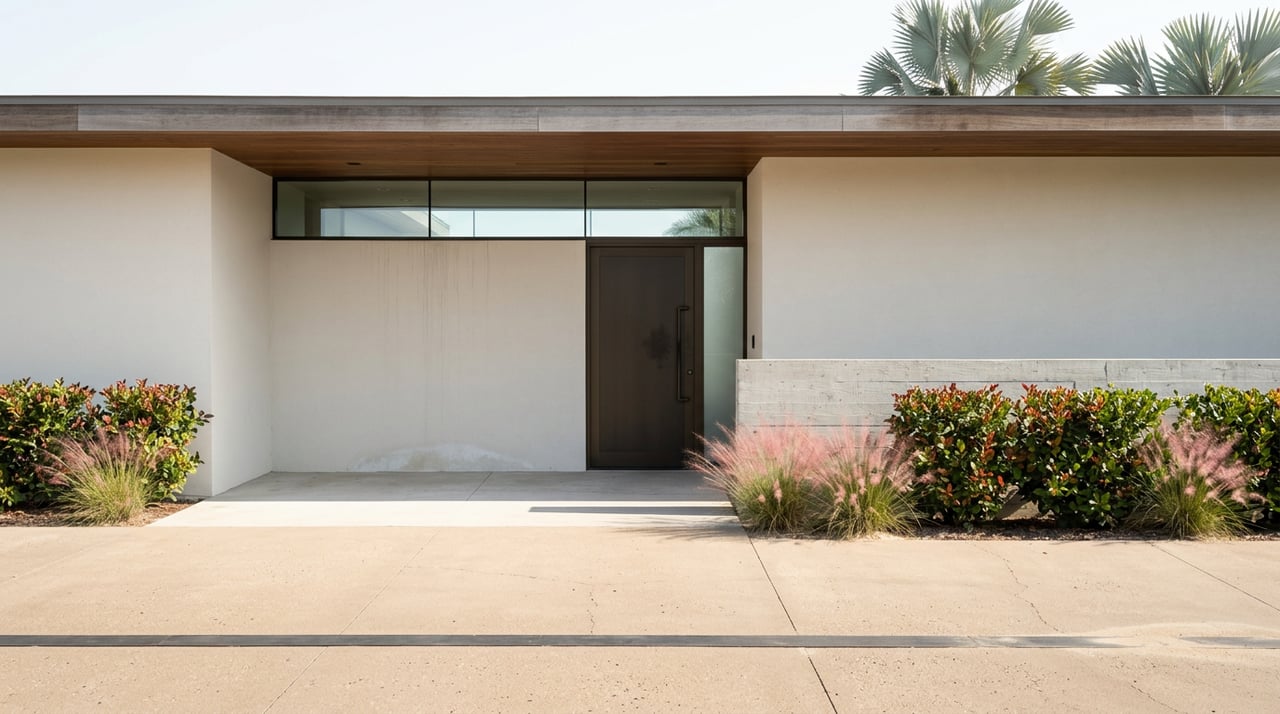
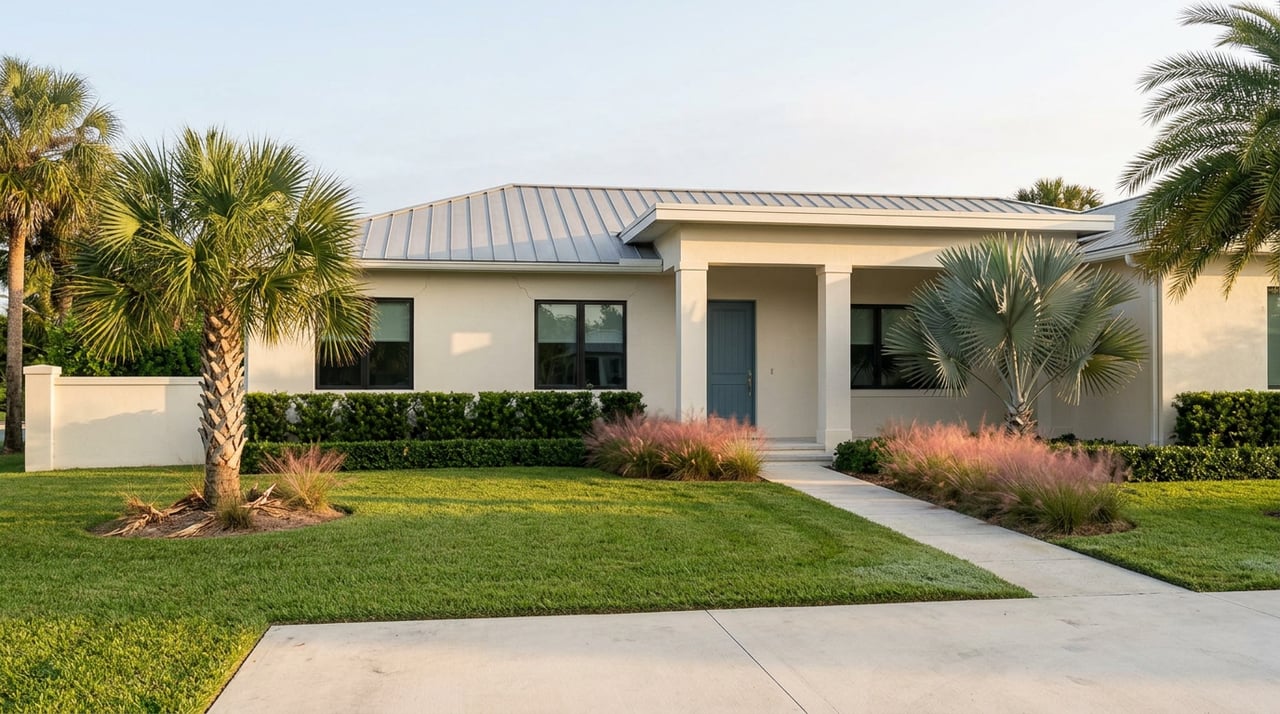
Your exterior sets expectations before buyers reach the front door. NAR reports that decluttering, cleaning, and curb appeal improvements are among the most common and useful seller recommendations.
In Melbourne Beach, clean and simple usually works best. Sweep away sand, rinse hard surfaces, tidy the entry, and keep décor minimal. If you have outdoor furniture on a porch, balcony, or patio, use only what helps define the space and remove pieces that make it feel crowded.
Take a close look at the details buyers notice fast:
- Front door condition
- Window glass and tracks
- Railings and hardware
- Outdoor lighting
- Planters and landscaping
- Pool deck or patio cleanliness
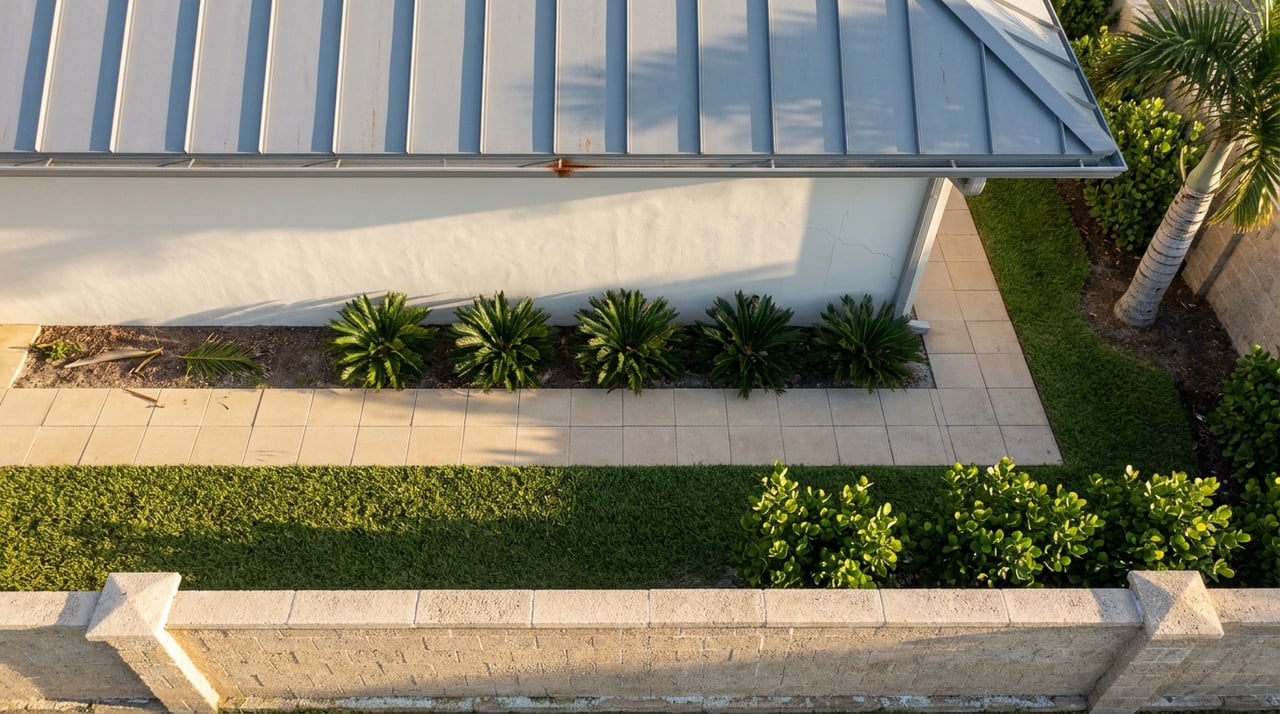
If your landscaping is close to the coast, keep it restrained and maintained. UF/IFAS recommends salt-tolerant planting near the shoreline, which supports a clean, durable look that fits the setting.
Make the living room your visual anchor
The living room is often the most important room in the listing. It is also one of the most commonly staged spaces because buyers tend to judge flow, comfort, and scale here.
Start by removing bulky furniture, extra chairs, and anything that interrupts the path through the room. If your home has a standout feature like an ocean view, patio doors, or a bright open layout, arrange seating to support that focal point.
Photos matter here as much as showings. NAR’s photo guidance recommends removing one or two pieces of furniture when needed so rooms photograph larger. In many Melbourne Beach homes, that one change can help buyers notice openness and indoor-outdoor connection instead of visual clutter.
Keep the kitchen crisp and low-clutter
A coastal kitchen should feel fresh, functional, and easy to live in. It should not look themed. Buyers usually respond better to clean surfaces and simple styling than to obvious beach décor.
Clear the counters as much as possible. Store small appliances, reduce refrigerator magnets and papers, and leave only a few intentional items out. A bowl of fruit or one simple plant is often enough.
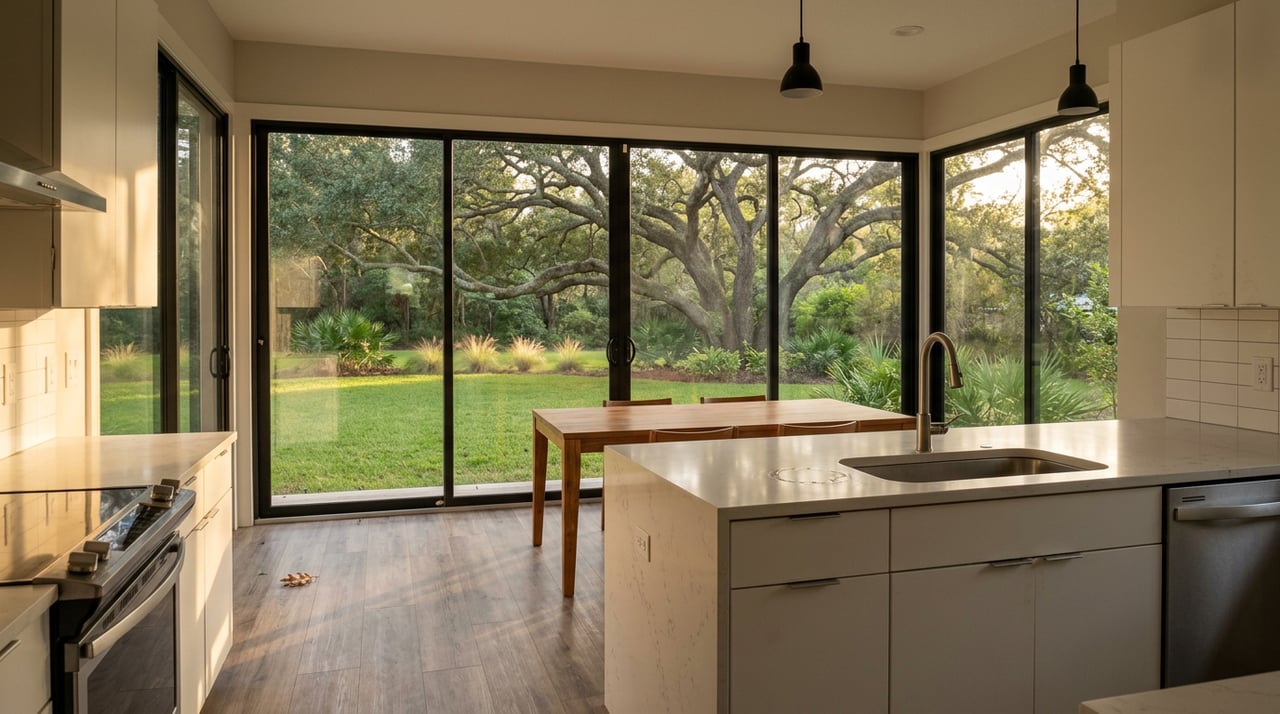
If the kitchen connects to dining and living spaces, protect the sightlines. Buyers should be able to see how the rooms work together. That open visual flow is especially important in Florida coastal homes with bright layouts and large windows.
Refresh the primary suite and baths
The primary bedroom should feel calm, light, and spacious. Make the bed neatly, simplify furniture, and remove personal items that distract from the room itself. Buyers want to understand the size, layout, and natural light first.
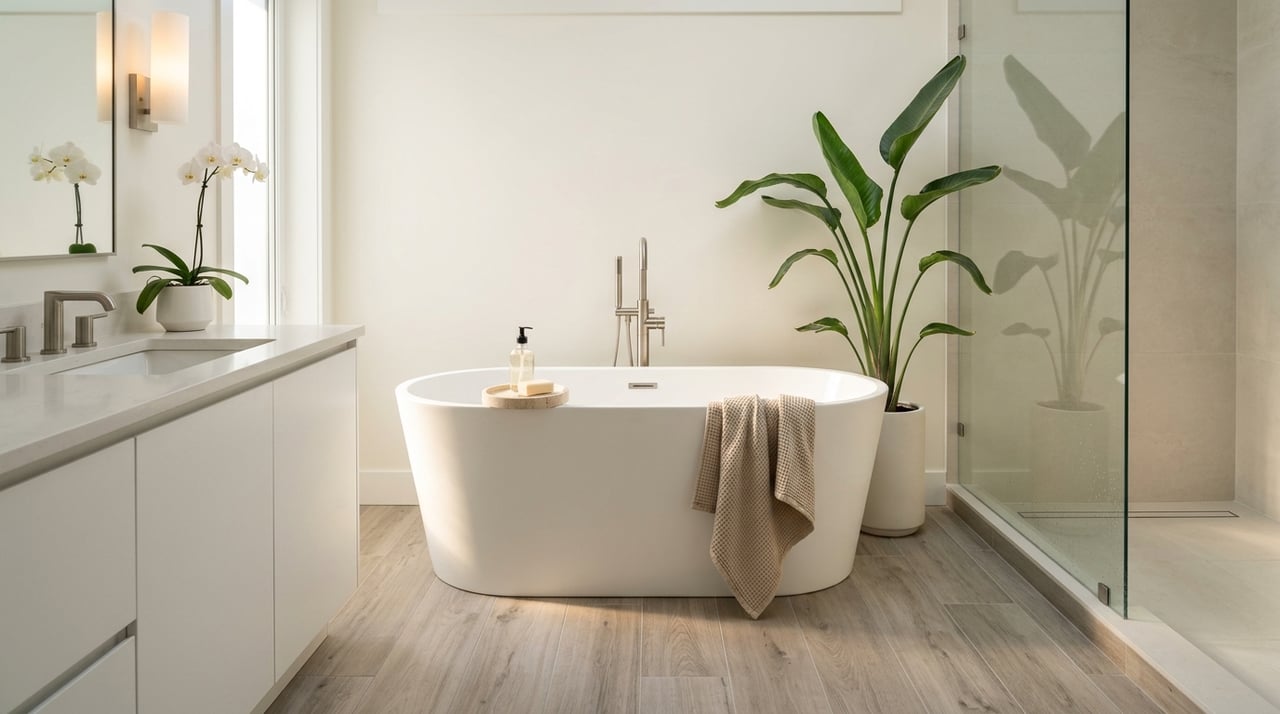
Bathrooms need extra attention in a humid climate. Fresh white or neutral towels, clear counters, bright lighting, and spotless mirrors go a long way. Clean grout, polished fixtures, and dry surfaces help the room feel maintained.
In coastal homes, buyers are quick to notice signs of moisture. UF/IFAS notes that Florida’s humidity can encourage mildew and mold-spore growth, so bathrooms should look dry, clean, and well ventilated during photos and showings.
Treat outdoor living like main living space
In Melbourne Beach, patios, lanais, balconies, decks, and pool areas are not secondary spaces. They are part of the lifestyle buyers are shopping for. If these areas are cluttered or underused, the home can feel less complete.
Use a few stable furnishings to define purpose. A small seating group, a clean dining setup, or a pair of chairs facing the view can help buyers picture daily use. Keep cushions neat and limit accessories so the space looks easy to enjoy and easy to maintain.
Most important, preserve the view corridor. Buyers should be able to see the pool, yard, or outdoor feature without visual blockage. Loose outdoor items should also be minimized so the home feels storm-aware and easy to secure if weather changes.
Organize flex rooms, storage, and the garage
Bonus rooms and practical storage matter more than many sellers expect. Buyers often want a home office, guest overflow, hobby room, or multi-use space. A flex room should clearly suggest one or two uses rather than feeling undefined.
Storage areas should support beach living without looking overloaded. Organize or remove surfboards, bikes, coolers, seasonal bins, and sports gear so buyers can see capacity. The goal is to show that the home handles real life neatly.
Garages are especially important in coastal areas. If the garage is packed wall to wall, buyers may assume storage is tight. Clean floors, grouped items, and open wall space can make the entire property feel more functional.
Prepare for photos with online buyers in mind
Online presentation is now part of staging, not a separate step. NAR reports that 52% of buyers found the home they purchased online, and 81% rated listing photos as the most useful online search feature. Buyers also place high importance on video and virtual tours.
That means your home needs to look strong in the first few images. For a Melbourne Beach listing, the lead image is often most effective when it shows the home’s strongest exterior presence, water-oriented lifestyle feel, or standout outdoor connection.
Before photos, make the home spotless and consistent from room to room. NAR recommends opening blinds for natural light, removing distracting art and magnets, and adding simple greenery where appropriate. Just as important, the home should look the same in person as it did online.
Use a Melbourne Beach showing-day checklist
Coastal homes need a final prep routine that reflects local conditions. Sand, humidity, and changing weather can affect how your home shows even after you have staged it well.
Use this simple checklist before a showing:
- Sweep entryways, patios, and pool areas
- Wipe down windows and glass doors
- Check floors for sand or damp spots
- Open blinds to bring in natural light
- Turn on interior lighting where needed
- Clear bathroom and kitchen counters
- Secure or store loose outdoor items
- Tidy the garage and storage zones
- Make sure the home smells clean and fresh
This last step matters in Melbourne Beach. A home that feels dry, bright, and orderly builds buyer confidence faster than one that feels humid or overfilled.
You do not always need full staging
Some sellers assume staging means renting all new furniture and redesigning the whole home. That is not always necessary. NAR found that 51% of sellers’ agents did not stage homes before listing, but they still recommended decluttering and correcting property issues.
In many cases, the highest return comes from practical improvements:
- Deep cleaning n- Furniture editing
- Better lighting
- Fresh linens
- Organized storage
- Simple outdoor styling
- Repairing visible wear
If you are deciding where to invest, start with the rooms and features buyers will notice first online and in person. In Melbourne Beach, that usually means the living room, primary suite, kitchen, and outdoor areas.
A well-staged coastal home should feel easy, bright, and believable. Buyers are not looking for a movie set. They want to picture real life in a home that looks cared for, functional, and ready for the beachside setting.
If you are preparing to sell in Melbourne Beach, a local strategy matters. From room-by-room presentation to polished marketing that captures your home’s strongest coastal features, working with an experienced local team can help you put your best foot forward. To get started, connect with MVP Sales Group (Meili Viera).
FAQs
What rooms matter most when staging a Melbourne Beach home?
- The living room, primary bedroom, and kitchen usually deserve the most attention first, with bathrooms and outdoor living areas also playing an important role in coastal homes.
Is professional staging worth it for a Melbourne Beach listing?
- It can be. NAR’s 2025 data found that 29% of agents saw a 1% to 10% increase in offered value and 49% said staging reduced time on market.
Do you need full staging to sell a coastal home in Melbourne Beach?
- No. Many sellers improve results with decluttering, deep cleaning, light furniture editing, and correcting visible issues instead of fully staging every room.
How should outdoor spaces be staged for a Melbourne Beach home sale?
- Keep patios, balconies, lanais, and pool areas clean and lightly furnished so buyers can see the usable space, views, and easy indoor-outdoor flow.
What should sellers fix before showing a Melbourne Beach coastal home?
- Focus on anything that suggests moisture, corrosion, clutter, or deferred maintenance, including dirty windows, damp areas, crowded storage, and loose outdoor items.