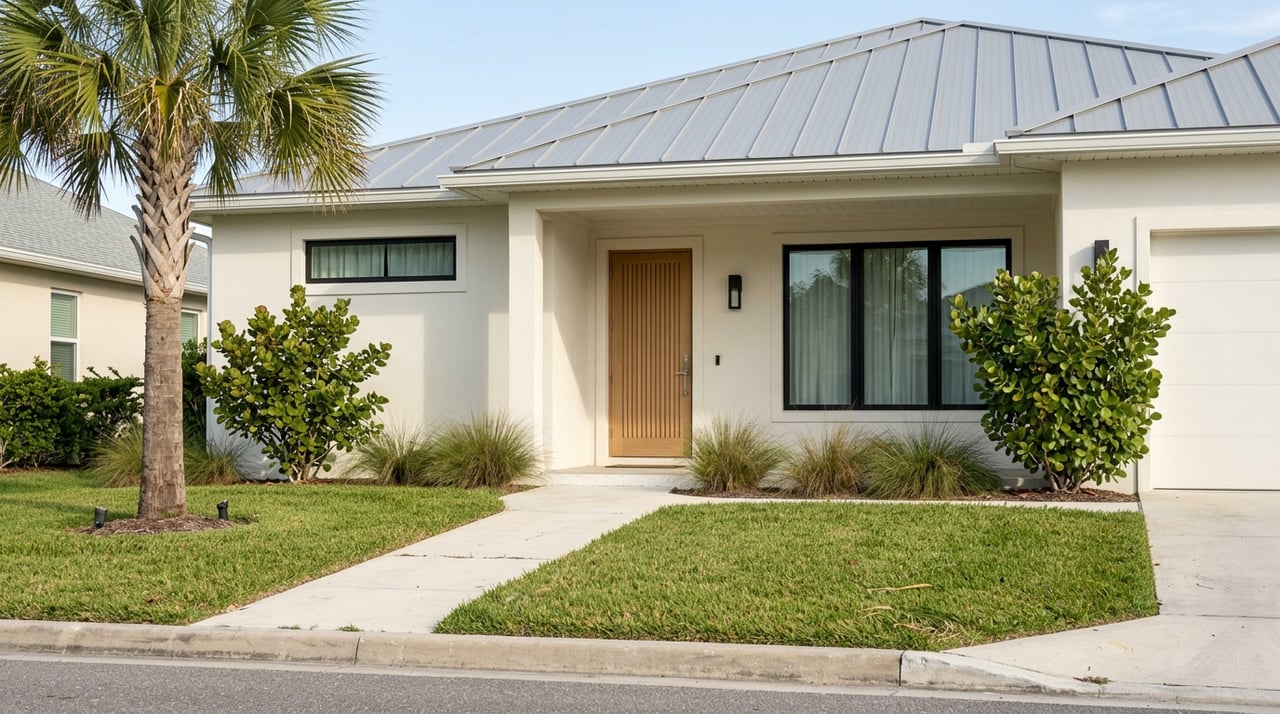
If you are eyeing Indialantic as a buy-and-hold play, the short answer is yes, but probably not for the reason many investors first hope. This is not a classic high-cash-flow rental market built on low entry prices and deep renter share. Instead, Indialantic looks more like a premium beachside submarket where location, tenant profile, and long-term value often matter more than maximizing monthly yield. Let’s dive in.
Indialantic at a glance
Indialantic is a small barrier-island town in Brevard County with 3,065 residents, 1,717 housing units, and 1,466 households, according to Census Reporter. It also has a 74.4% homeownership rate, which means renter-occupied housing makes up a relatively small share of the market.
That matters for investors. In simple terms, Indialantic behaves more like an owner-leaning coastal community than a rental-heavy market, which can support stable long-term demand for the right property but usually limits the kind of volume and turnover you might expect in a more renter-dominant area.
Rental yield is moderate
Public rent estimates suggest that Indialantic can generate workable rents, but the math points to moderate gross returns rather than standout cash flow. Realtor.com’s local market data shows a median rent of $2,750, while Redfin’s rental market page shows an average rent of $3,100.
Against a $550,000 median sale price, that implies roughly 6.0% to 6.8% gross yield before expenses. Against the town’s $604,200 median property value, the implied gross yield drops closer to 5.5% to 6.2%. For many investors, that puts Indialantic in the category of a quality-and-appreciation hold, not a pure income play.
Why tenant demand still exists
Even though Indialantic is not a classic cash-flow market, demand drivers are still real. The broader Space Coast economy gives the area a steady employment base, with major anchors that include Kennedy Space Center, Cape Canaveral Space Force Station, and employers such as L3Harris, Boeing, Lockheed Martin, Collins Aerospace, Northrop Grumman, Blue Origin, and SpaceX, as outlined by the Space Coast Economic Development Commission.
The local labor picture also supports this steady-demand story. The Bureau of Labor Statistics reported a 4.8% unemployment rate for the Palm Bay-Melbourne-Titusville metro in January 2026, with 258.5k total nonfarm jobs and roughly flat year-over-year growth. That is not explosive growth, but it does suggest a durable employment base that can support long-term renters.
The likely renter profile
Indialantic’s demographics point toward a more established renter pool. Census Reporter shows a median household income of $104,184, 69.1% bachelor’s degree attainment, a 20.3-minute mean commute, and 21.7% of workers working from home.
For investors, that usually means the strongest rental prospects may be people looking for beachside living, convenience, and a higher-quality home environment rather than the lowest monthly payment. The town also has a 15.4% veteran share, which adds another layer to the local resident profile without changing the core takeaway: Indialantic tends to attract a more stable, professional, and higher-income tenant base.
Property types matter a lot
Not every rental in Indialantic will perform the same way. Redfin’s rental data shows active searches across condos, houses, and townhomes, while its sales pages track single-family homes, townhouses, and condos/co-ops.
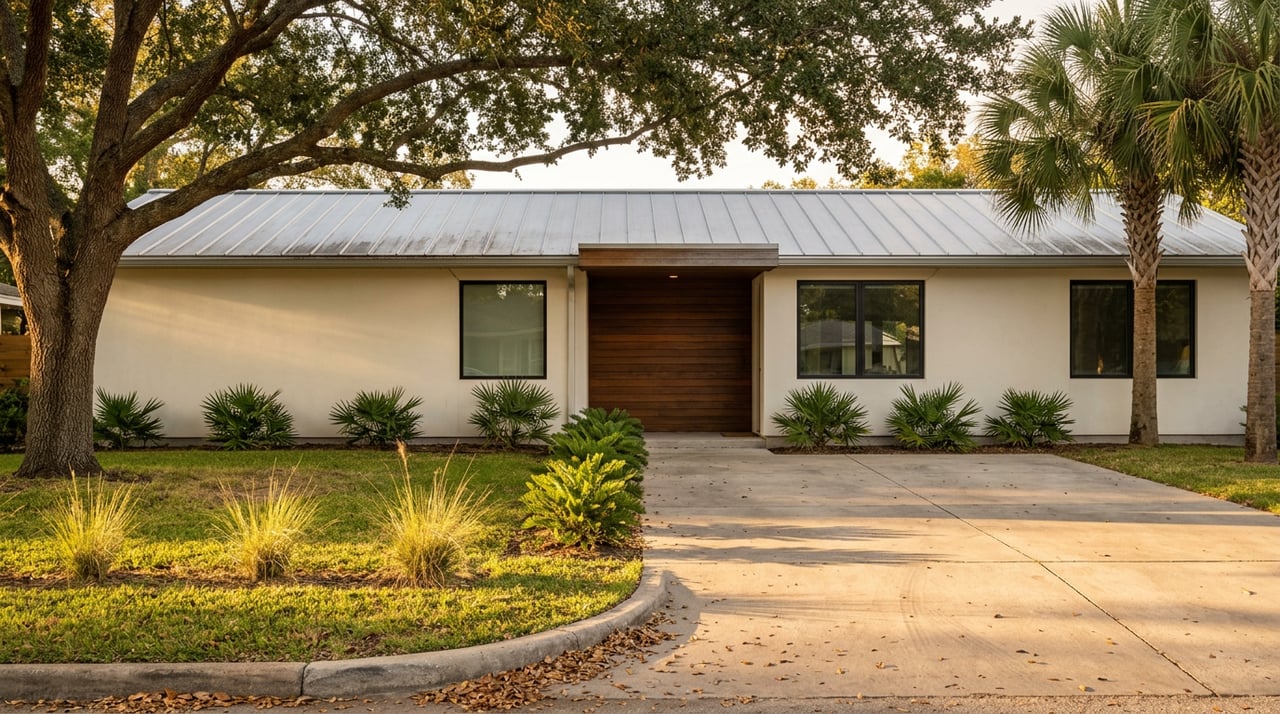
That product mix matters because this market appears to skew toward higher-end single-family homes and attached beachside units. In a town this small, a clean, updated condo near the beach can lease very differently from a dated unit with similar square footage. Condition, layout, parking, storage, and overall presentation can materially affect both rent and time on market.
Vacancy is not a throwaway detail
Investors should not assume every long-term rental in Brevard County leases immediately. FLHealthCharts reports a 10.8% rental vacancy rate in Brevard County in 2024, compared with 7.6% statewide.
That countywide figure does not mean Indialantic itself will mirror that exact number, especially since the town is so small. But it does mean prudent underwriting should include real vacancy assumptions. In a market with a limited renter pool and premium pricing, overestimating rent or underestimating lease-up time can quickly change the deal.
Small-market dynamics can skew the picture
Because Indialantic has only 1,717 housing units, market snapshots can shift quickly. A few listings, a handful of leases, or a small change in inventory can make broad averages look more dramatic than they really are.
That is why townwide rent averages should be treated as a starting point, not the final answer. The research report notes that Realtor.com showed 67 rentals available in Indialantic, while Redfin reported homes typically selling about 3% below list and going pending in around 46 days, with a March 2026 median of 79 days on market. For an investor, that points to a market where exact comps and pricing discipline matter.
Appreciation may be part of the thesis
If you are considering Indialantic, appreciation is likely part of the investment story. Data USA shows the town’s median property value rising from $568,100 in 2023 to $604,200 in 2024, a 6.35% increase.
At the same time, the near-term picture is softer. The research report notes that Zillow’s current page shows average home value down over the past year, and Redfin shows a year-over-year decline in median sale price for March 2026. The clean read is that Indialantic still holds a high value base, but current pricing conditions may be less forgiving than they were during stronger appreciation cycles.
Coastal risk is central
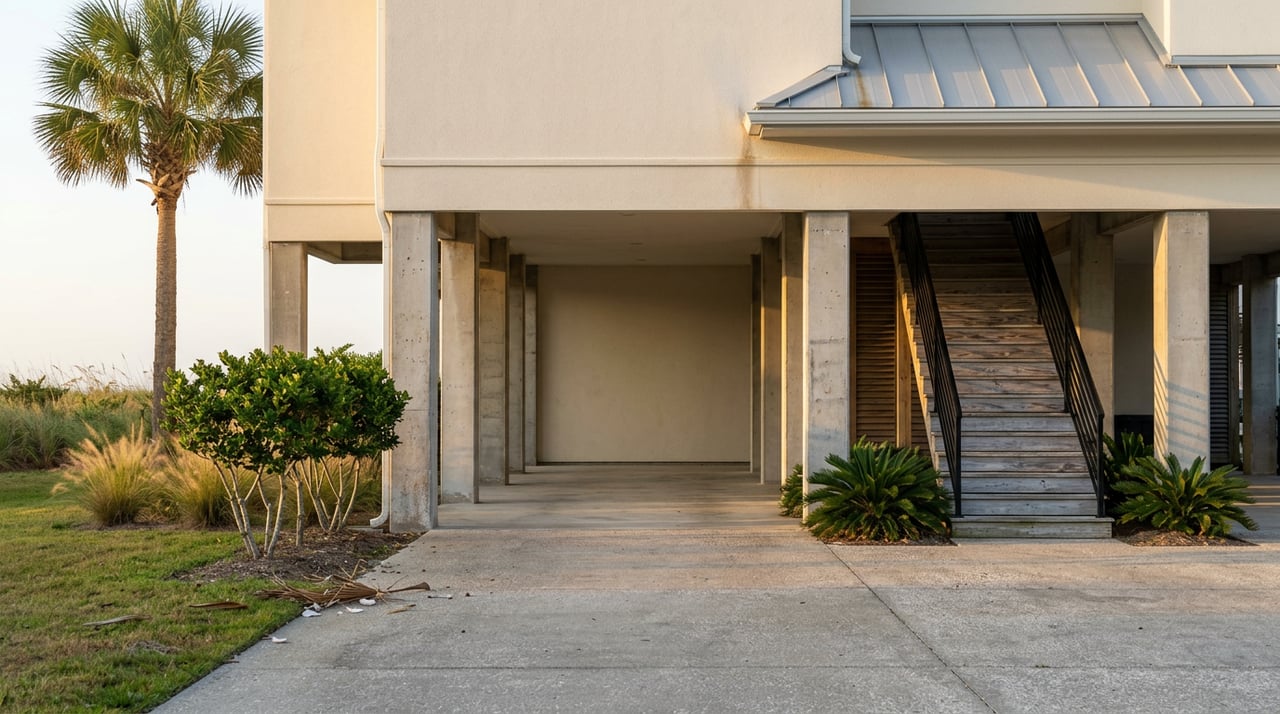
This is one of the biggest underwriting issues in Indialantic. FEMA notes that barrier islands are exposed to higher wave action and stronger winds during hurricanes, and coastal high-hazard areas and VE zones may carry additional flood and wave risk, as explained in FEMA’s coastal flood risk guidance and flood map resources.
For investors, that means insurance is not a side note. You will want to verify flood zone status, wind mitigation features, roof age, and current insurance quotes before you lock in your numbers. A property that looks acceptable on rent and price alone may look very different after realistic insurance and maintenance assumptions are added.
Taxes need investor-level modeling
Florida property taxes can also affect returns more than buyers expect. The Florida Department of Revenue explains that homestead exemption applies to a permanent residence, while non-homestead property is assessed differently.
If you are buying an investment property, do not underwrite using a seller’s homestead tax bill. Ask for projections based on non-homestead status, since that is the more realistic framework for an investor-owned rental.
How Indialantic compares nearby
Relative to nearby Melbourne, Indialantic sits in a very different lane. U.S. Census QuickFacts for Melbourne show a 59.7% owner-occupied rate and $1,525 median gross rent, while Indialantic has a much higher ownership share and far higher value base.
That comparison reinforces the core point. For a Space Coast investor, Indialantic is often the premium coastal sleeve of a portfolio rather than the highest-yield sleeve. If your goal is stronger long-term asset quality and beachside positioning, it can make sense. If your goal is maximizing cash-on-cash return, you may need to underwrite very selectively.
What to verify before you buy
Before purchasing a long-term rental in Indialantic, focus on property-specific details rather than townwide averages.
- Confirm the realistic rent range for that exact property type, condition, and location.
- Check days on market for similar rentals and whether concessions are common.
- Review HOA or condo rules, including rental caps, minimum lease terms, and pet restrictions.
- Verify whether the property sits in a FEMA flood zone or coastal high-hazard area.
- Request current wind and flood insurance quotes.
- Model taxes based on non-homestead ownership.
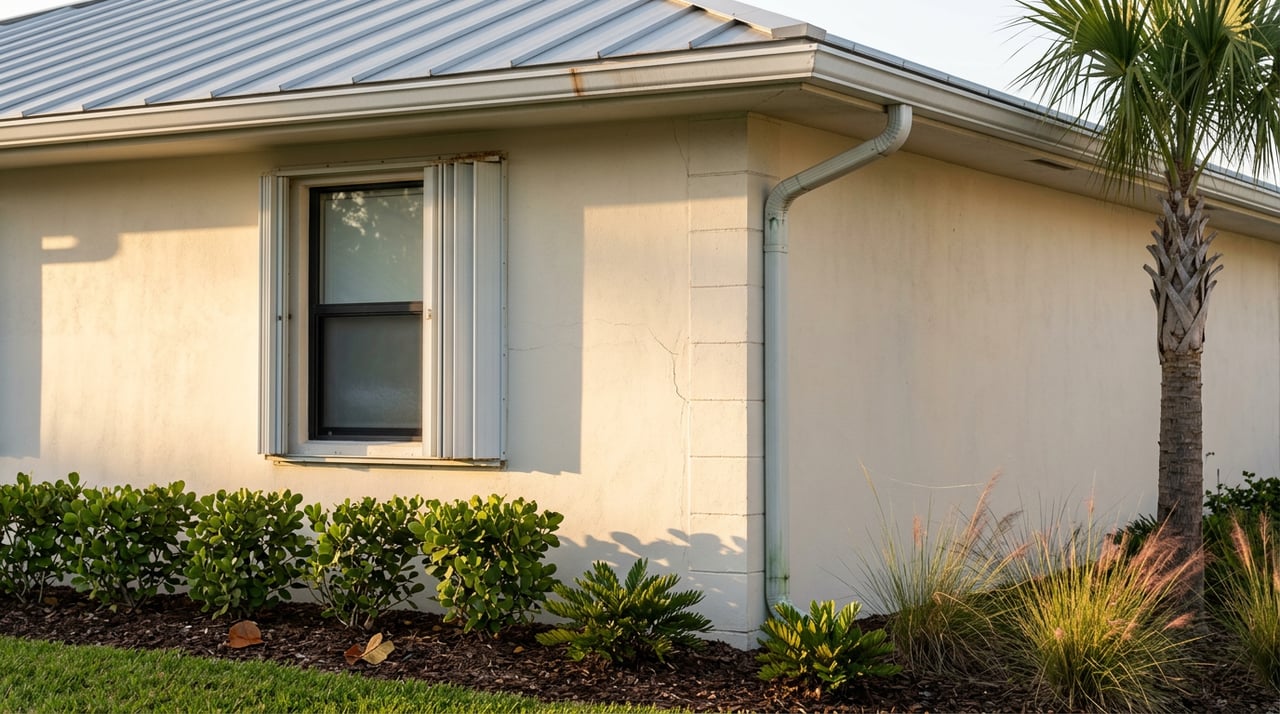
- Budget stronger reserves for salt air, roof wear, HVAC strain, and exterior maintenance.
- Stress-test the deal for slower rent growth or more vacancy.
The bottom line for investors
So, is Indialantic a strong long-term rental market for investors? Yes, for the right strategy. It can be a solid choice if you want a premium coastal asset, a smaller and more established tenant pool, and the potential for long-term value retention or appreciation.
It is less compelling if your main goal is immediate cash flow. In most cases, Indialantic works best for investors who prioritize location quality, property condition, tenant profile, and disciplined underwriting. If that sounds like your approach, Indialantic deserves a close look.
If you want help evaluating a specific beachside property, rental positioning, or investment strategy on the Space Coast, connect with MVP Sales Group (Meili Viera) for a personalized local market consultation.
FAQs
Is Indialantic a good place to buy a long-term rental property?
- Indialantic can be a good long-term rental market if you are targeting a premium coastal asset and are comfortable with moderate yields, higher insurance considerations, and a more selective renter pool.
What kind of rental yields can investors expect in Indialantic?
- Based on the research report’s rent and pricing snapshots, gross yields appear to land around 5.5% to 6.8% before expenses, depending on the rent source and value benchmark used.
What types of rentals are common in Indialantic?
- The local rental mix appears to include single-family homes, condos, and townhomes, with many listings skewing toward higher-end beachside housing rather than entry-level rental stock.
How important is flood insurance for an Indialantic investment property?
- It is very important because Indialantic is on a barrier island, and FEMA notes that barrier islands and coastal high-hazard areas can face elevated flood, wave, and wind exposure.
How should investors compare Indialantic with other Space Coast markets?
- Investors should generally view Indialantic as a more premium, owner-leaning coastal submarket where appreciation and asset quality may matter more than maximum rental yield.