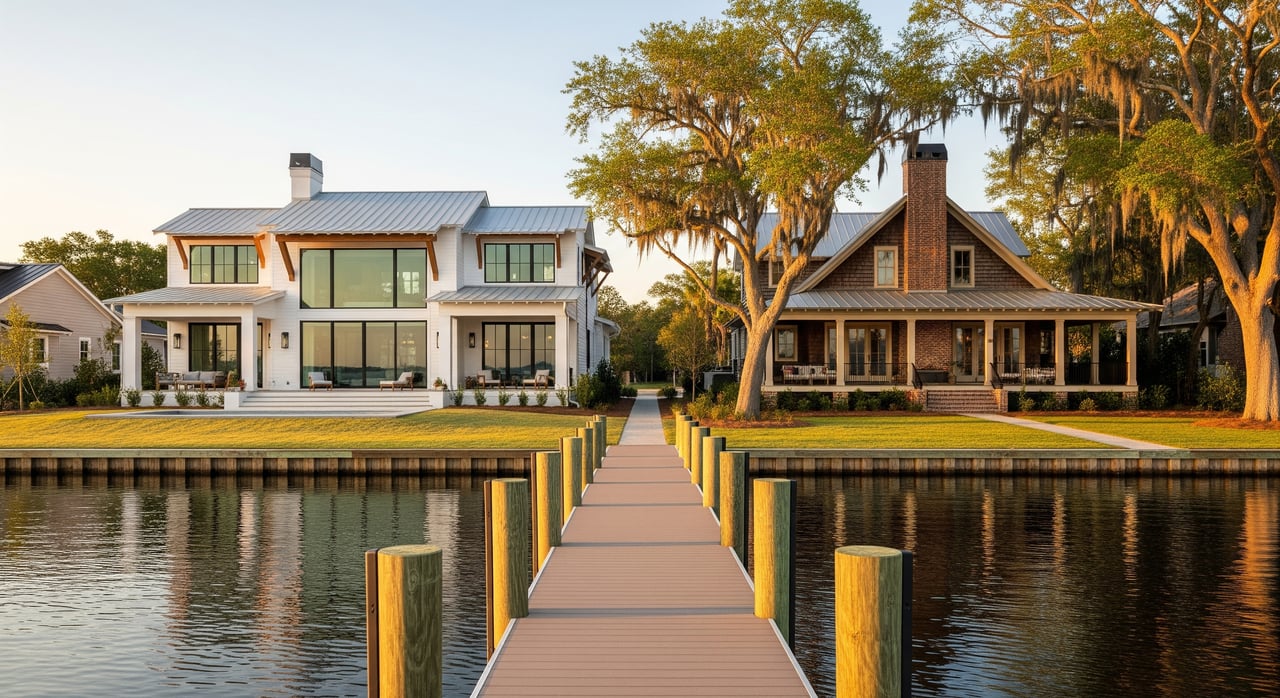
Trying to decide between a brand-new build and a resale home near Lake Washington? You are not alone. Buyers in The Woodlands of Lake Washington often balance timing, budget, and lake-adjacent considerations while aiming for long-term value. In this guide, you will learn how new construction compares with resale on timelines, warranties, energy costs, insurance, and lakefront due diligence so you can move forward with confidence. Let’s dive in.
Quick comparison: new vs resale
New construction
- Speed to move in: 30–120 days for quick-move inventory; 3–9 months for semi-custom; 9–18+ months for fully custom.
- Customization: choose floor plan, finishes, and often lot orientation and elevation.
- Warranties: structured coverage on workmanship, systems, and structure.
- Operating costs: newer systems and code compliance can reduce energy and maintenance.
- Pricing: less list-price flexibility, but builders may offer incentives.
Resale
- Speed to move in: typically 30–60 days after contract.
- Customization: limited to post-close renovations.
- Warranties: none by default, rely on inspections and seller disclosures.
- Operating costs: depends on age and condition; upgrades may be needed.
- Pricing: more room to negotiate based on market and property condition.
Timelines in The Woodlands area
New construction options
- Inventory or quick-move homes: If a builder has a finished or nearly finished home, you can often close in 30–120 days.
- Semi-custom homes: Plan-based builds with options commonly deliver in 3–9 months from contract to completion.
- Fully custom builds: Expect 9–18+ months depending on design complexity and permitting.
Local factors near Lake Washington can extend timelines. Brevard County permitting and inspections, HOA or architectural review in planned communities, and any special environmental approvals can add days or weeks. Utility availability for sewer, water, and power can also affect start dates.
Resale purchases
A typical resale purchase near Lake Washington closes in 30–60 days, assuming standard financing, inspections, title, and HOA document review. If you need repairs or specialty inspections, expect some extra time.
Warranties and inspections that protect you
New homes near Lake Washington usually include a tiered warranty program. Many builders follow a common structure: about 1 year for workmanship and materials, 2 years for major systems like HVAC, plumbing, and electrical, and up to 10 years for structural components. Always confirm the provider, coverage specifics, start date, claim process, and whether the warranty transfers.
For new builds, ask about scheduled walk-throughs such as a pre-drywall review, a pre-closing punch list, and post-occupancy check-ins. You should also use an independent inspector at key milestones. For resale, order a full home inspection and add roof, HVAC, pest, mold, septic, and well testing when applicable.
What to verify in warranty and inspection documents:
- Coverage start date and what counts as a covered defect
- Exclusions, required homeowner maintenance, and claim time limits
- Third-party warranty administrator and claim steps
- Inspection windows and who handles punch-list items
Energy, insurance, and monthly costs
Florida’s climate makes efficiency and insurance key parts of your budget. New construction is built to the current Florida Building Code, often with tighter envelopes, improved insulation, high-efficiency HVAC, LED lighting, and advanced duct sealing. Some builders offer ENERGY STAR packages, tankless or heat-pump water heaters, and solar-ready options.
Older resale homes might have legacy systems and less insulation, which can raise cooling costs until you retrofit. Upgrades are effective but add near-term expense. Ask about the age and model of major equipment, window type, duct condition, and any recent efficiency improvements.
Insurance is a meaningful line item in Florida. Newer homes built to current code may qualify for wind-mitigation credits. Waterfront or near-lake properties may need flood insurance depending on the flood zone, and many buyers choose it even when lenders do not require it. Confirm premiums with a local insurance professional during your due diligence.
Lot selection and lakefront factors
Around Lake Washington, the lot you choose can influence lifestyle, cost, and approvals.
Key considerations for lake-adjacent lots:
- Flood risk and elevation: Verify FEMA and local flood designations and base flood elevation. Elevation can affect build requirements and insurance costs.
- Shoreline structures: Seawalls, docks, and stabilization often require county and water management permits. Review the history and condition of any existing shoreline features.
- Environmental rules: Wetlands, buffers, and water-quality protections can limit your development footprint and landscaping.
- Riparian rights: Confirm deed language for water access, shared docks, or easements.
- Water quality: Algae blooms and aquatic vegetation can affect recreation and maintenance.
- Utilities: Confirm whether the property uses municipal sewer and water or requires septic and a well. Septic systems add maintenance and can influence house placement and size.
In The Woodlands of Lake Washington, HOA and architectural review may shape exterior design, fences, landscaping, and outdoor structures. Build your timeline with these approvals in mind.
Costs, financing, and resale value
New construction pricing often has less flexibility on the base price. That said, builders may offer incentives such as closing cost contributions, design upgrades, or temporary rate buydowns, especially on inventory homes or in slower market periods. Be sure incentives are detailed in writing.
Resale homes may have more room to negotiate based on days on market and condition. You can request repairs or credits after inspections. Factor in immediate maintenance items like roof age, HVAC replacement timelines, and appliance condition.
Also review community costs. Some new communities in Florida use Community Development District assessments. HOA dues and potential special assessments vary based on amenities and reserves. For appraisals, new homes may use recent new-construction comps or lot values, while resales draw on established neighborhood sales.
Which choice fits your goals?
- Choose new construction if you want lower initial maintenance, current code compliance, modern systems, and the ability to pick a plan and finishes. This path suits buyers with flexible move-in dates and a desire for customization.
- Choose resale if you want faster occupancy, mature landscaping, established neighborhood character, and potential negotiating leverage. This path suits buyers with tight timelines or those planning targeted renovations.
Due diligence checklist for The Woodlands buyers
If you are building new
- Confirm build type: quick-move, semi-custom, or fully custom
- Get a written timeline, triggers for delays, and remedies
- Clarify base price vs options, with itemized upgrade pricing
- Review warranty terms, third-party provider, and claim process
- Ask for local references and recent Brevard County projects
- Confirm independent inspection milestones are allowed
- Review HOA and architectural guidelines, covenants, and reserves
- Understand permitting steps and certificate of occupancy process
- Verify utility connections and any impact fees
If you are buying resale
- Order a full home inspection and needed specialty inspections
- Verify flood zone status and insurance claim history if available
- Review comparable sales from the last 6–12 months
- Confirm HOA rules, dues, and any upcoming assessments
- Evaluate big-ticket items: roof, windows, HVAC, plumbing, electrical
- Test septic and well if applicable
If the property is lakefront or near the shore
- Confirm deed language for water access and easements
- Inspect seawalls, docks, and shoreline stabilization for condition and permits
- Check flood elevation and any elevation requirements for building
- Ask about recent water quality advisories and maintenance responsibilities
How MVP supports your decision
You deserve clear, local guidance for a lake-adjacent purchase. MVP Sales Group blends broker-level expertise with boutique service on the Space Coast. The team advises on new construction, semi-custom options, and resale strategy across Lake Washington and nearby neighborhoods, and is experienced with timelines, warranties, inspections, and HOA or architectural review processes. If you are considering a new build, our builder partnerships create a smooth, coordinated path from lot selection to closing. If you are focused on resale, we help you structure inspections, negotiate effectively, and plan improvements for value.
Ready to compare specific properties or builder timelines in The Woodlands of Lake Washington? Connect with Meili Viera to map your options and move forward with confidence.
FAQs
What is the typical build timeline for a semi-custom home near Lake Washington?
- Most semi-custom builds deliver in about 3–9 months from contract, depending on design choices, permitting, inspections, and HOA or architectural approvals.
Do new homes near Lake Washington qualify for insurance discounts?
- New construction built to the current Florida Building Code may qualify for wind-mitigation credits, and flood insurance may be required based on the property’s flood zone.
What should I inspect before buying a lakefront resale in The Woodlands?
- Verify flood zone and elevation, inspect seawalls or docks and permit history, check roof and HVAC age, test septic or well, and review HOA rules and dues.
Can I move into a new home faster than a resale?
- You might if a builder has a quick-move inventory home, which can often close in 30–120 days; most resales close in about 30–60 days.
Are septic systems common near Lake Washington, and what does that mean for me?
- Some properties use septic, which adds maintenance, permitting considerations, and can influence house placement and size; schedule a septic inspection if applicable.
Can I negotiate price on new construction in The Woodlands?
- Base prices are often firm, but builders may offer incentives like closing costs, upgrades, or temporary rate buydowns, especially on inventory homes.