Dreaming about a quiet, nature-filled setting near Melbourne but still want access to shopping, schools, and Space Coast employers? The Lake Washington area gives you that balance, but each pocket around the lake lives a little differently. If you’re relocating or moving up, you’ll want a clear sense of what fits your lifestyle, budget, and maintenance comfort level. This guide breaks down the four main neighborhood types, highlights The Woodlands of Lake Washington, and gives you practical checklists and resources to make confident choices. Let’s dive in.
Lake Washington lifestyle basics
Lakefront living near Melbourne is all about boating, fishing, and wide water views. With those perks come unique responsibilities like shoreline care, dock permitting, and specialized insurance. Flood zones, septic systems on larger parcels, and environmental rules can affect what you can build and what you’ll pay over time. Before you fall in love with a view, get familiar with flood maps, permit rules, and utility specifics so you know the full picture.
For flood risk, review current designations through the FEMA Flood Map Service Center. For docks, seawalls, and shoreline work, start with the Brevard County Building & Permitting Division and the St. Johns River Water Management District for environmental and water-related permitting.
Neighborhood types around the lake
Waterfront streets
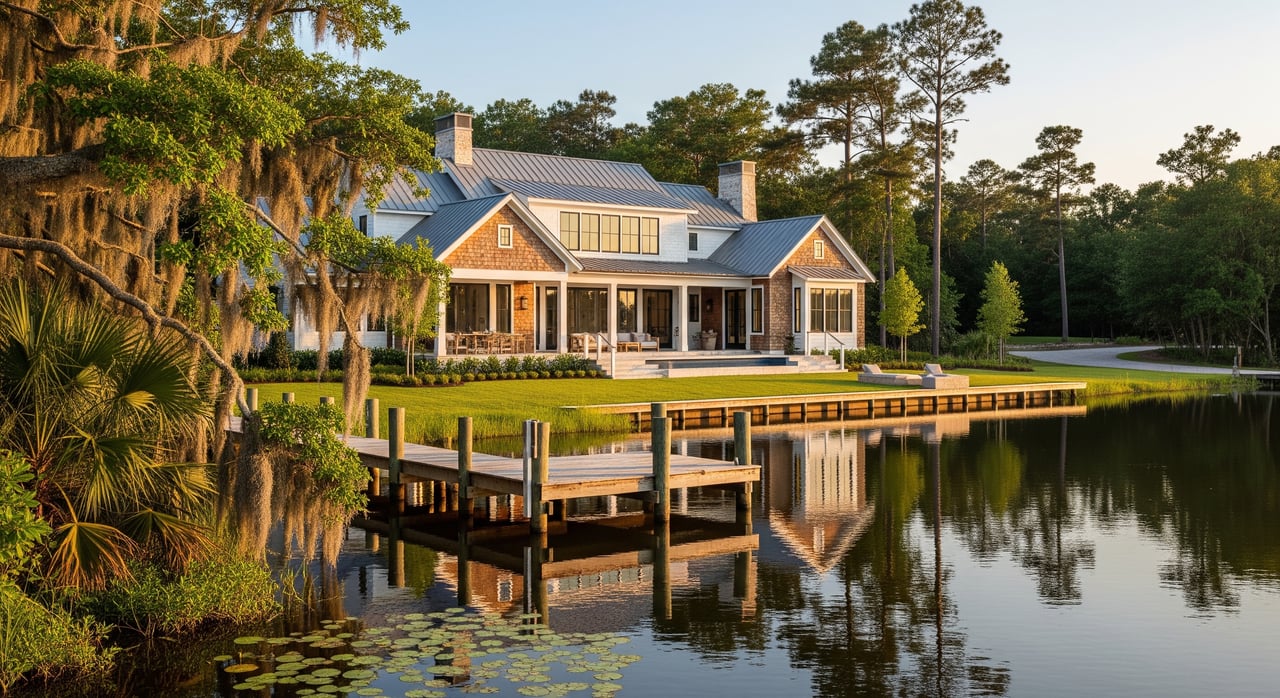
If your priority is instant access to the water and sunrise views, direct lakefront streets are the draw. You’ll see a mix of older homes and newer builds, often arranged in linear stretches along the shoreline. Expect strong demand and lower supply compared with inland streets.
Pros:
- On-the-water lifestyle and high resale appeal for boating and fishing.
Cons:
- Exposure to storms and potential flood insurance needs.
- Ongoing seawall, dock, and shoreline maintenance.
Buyer checklist:
- Confirm riparian rights, easements, and lake access in the deed and plat. Use the Brevard County Property Appraiser for parcel data and the Brevard County Clerk of Court for recorded documents.
- Check the property’s FEMA flood zone and ask an insurer for a flood quote early.
- Verify existing dock permits and whether a new dock or lift can be permitted.
- Hire a marine contractor to inspect seawalls and docks.
- Review any HOA or lake-use rules that affect boating or structures.
Estate-style enclaves
These are larger-lot pockets with a wooded feel, added privacy, and often custom or semi-custom homes. Some roads are private with limited services, while others sit inside platted subdivisions with covenants and an HOA. Turnover can be slower, which many buyers value for stability.
Pros:
- Space for outdoor living, pools, and accessory structures.
- A quieter, more secluded vibe.
Cons:
- More yard and tree maintenance.
- Septic systems are more common if sewer is not extended.
Buyer checklist:
- Confirm lot size, buildable area, and any tree-protection or conservation limits using Brevard County GIS resources.
- Identify utility setup: municipal water and sewer or well and septic. If septic, request inspection records and permits.
- Pull covenants and deed restrictions through the Clerk of Court to understand setbacks, accessory-use rules, and rental limits.
- Ask whether roads are public or private and whether there are HOA fees or special assessments.
Conventional suburban tracts
Closer to schools, shopping, and everyday services, these neighborhoods offer smaller yards with easier maintenance. You’ll see a range of ranch and tract homes plus remodels. This category often delivers the most predictable resale among local buyers.
Pros:
- Generally more affordable per square foot than waterfront.
- Shorter drives to daily amenities and schools.
Cons:
- Less privacy and yard space.
- Not lakefront.
Buyer checklist:
- Verify attendance zones with Brevard Public Schools if school proximity matters to you.
- Confirm HOA status, fees, and maintenance responsibilities.
- Compare commute times to your Space Coast employer.
Condos and townhomes
If you want low-maintenance living and managed common areas, consider attached options near the lake. These can provide amenities and predictable exterior upkeep, though rules can be more structured.
Pros:
- Reduced maintenance and potential shared amenities.
Cons:
- HOA rules and assessments; lender and insurer requirements can be stricter.
Buyer checklist:
- Review association financials, reserves, and any special assessments.
- Confirm wind, hurricane, and unit-level insurance requirements.
Spotlight: The Woodlands of Lake Washington
The Woodlands of Lake Washington is a prime example of the area’s estate-style appeal. Expect larger, often treed lots that feel private and natural, plus custom or semi-custom homes with room for outdoor living and accessory features. The vibe is quiet and residential, with a focus on space and a wooded aesthetic rather than high-density amenities.
What to verify here:
- Utilities and waste systems. Determine if the property is on municipal water and sewer or on well and septic. If septic, review recent inspections and permits.
- Roads, services, and governance. Ask whether roads are private or public and whether there is an HOA, road maintenance agreement, or special assessment.
- Covenants and build rules. Pull recorded plat, covenants, and deed restrictions through the Brevard County Clerk of Court and confirm parcel details via the Property Appraiser.
- Environmental and buildability. Use Brevard County GIS tools to check for wetlands, conservation overlays, and setback or impervious-surface limits that affect additions.
If you love privacy, trees, and room to spread out, The Woodlands belongs on your short list. Just plan for a bit more yard care and be ready to handle septic and tree maintenance where applicable.
Key due diligence factors
Flood risk and insurance
Lenders typically require flood insurance if a home is in a Special Flood Hazard Area. Costs vary based on elevation, foundation type, and prior claims. Always confirm the current flood zone through the FEMA Flood Map Service Center and ask for a quote early so premiums are part of your budget.
Docks and shoreline permits
Docks, lifts, and shoreline stabilization usually require county and state approvals. Start with the Brevard County Building & Permitting Division for dock and seawall rules and check the St. Johns River Water Management District for environmental and water resource limitations. Verify prior permits and avoid assuming unpermitted structures can be kept.
Utilities and waste systems
Large-lot and wooded properties may rely on well and septic. Confirm the system type from property records and utility billing, and order a licensed septic inspection if applicable. Internet and cable availability can vary by road, so verify serviceability by address if you work from home.
Title and riparian rights
On or near the lake, review recorded easements, road ownership, and riparian rights. Confirm whether the lot’s legal description supports private dock access and check for encroachments along the shoreline. Your title and survey package should address these items before closing.
Appraisal and financing
Waterfront and custom estates can be hard to appraise because of limited comparable sales. Be prepared for potential gaps between contract price and appraised value. Flood insurance, condo underwriting, and septic conditions can also affect loan terms and timing.
Maintenance and recurring costs
Budget for seawall, dock, and tree work as ongoing items if applicable. If an HOA is present, review dues and the possibility of special assessments. Private-road maintenance can also come into play in certain enclaves.
Which pocket fits you
- You want boating, fishing, and views: Focus on waterfront streets and verify dock potential early.
- You want privacy and room for extras: Explore estate-style enclaves like The Woodlands of Lake Washington.
- You want convenience and predictable resale: Look at conventional suburban tracts near schools and shopping.
- You want low-maintenance living: Consider condos or townhomes with strong reserves and clear insurance guidelines.
Local tools and resources
- Parcel data, lot size, tax history: Brevard County Property Appraiser
- Recorded deeds, plats, covenants: Brevard County Clerk of Court
- Zoning, overlays, conservation: Brevard County GIS / Planning & Zoning
- Flood zone lookup: FEMA Flood Map Service Center
- Permits for docks, seawalls, and building history: Brevard County Building & Permitting Division
- Environmental and water management permits: St. Johns River Water Management District
- Attendance zones and school info: Brevard Public Schools
Ready to compare homes or narrow your search in The Woodlands and the surrounding Lake Washington pockets? Schedule a private, data-driven tour and get a tailored shortlist that matches your lifestyle and budget. Connect with Meili Viera to schedule your personalized Space Coast market consultation.
FAQs
Can I build a dock on Lake Washington?
- It depends on your frontage, riparian rights, shoreline conditions, and permits from Brevard County and the St. Johns River Water Management District; verify deed and permits first.
Do I need flood insurance near the lake?
- Lenders usually require it for homes in FEMA Special Flood Hazard Areas; confirm your flood zone on FEMA maps and get a quote early to budget accurately.
How do I confirm septic vs. sewer on a property?
- Check county property records and utility billing, review septic permit history, and request a licensed septic inspection if the home is not on municipal sewer.
Are lakefront homes always more expensive?
- Waterfront typically commands a premium due to access and views, but the size of that premium varies with lot size, shoreline features, and recent local comps.
What inspections should I plan for in this area?
- Standard home inspection plus septic (if applicable), seawall and dock evaluation, roof and wind mitigation review, and an elevation certificate or survey if flood risk is a concern.