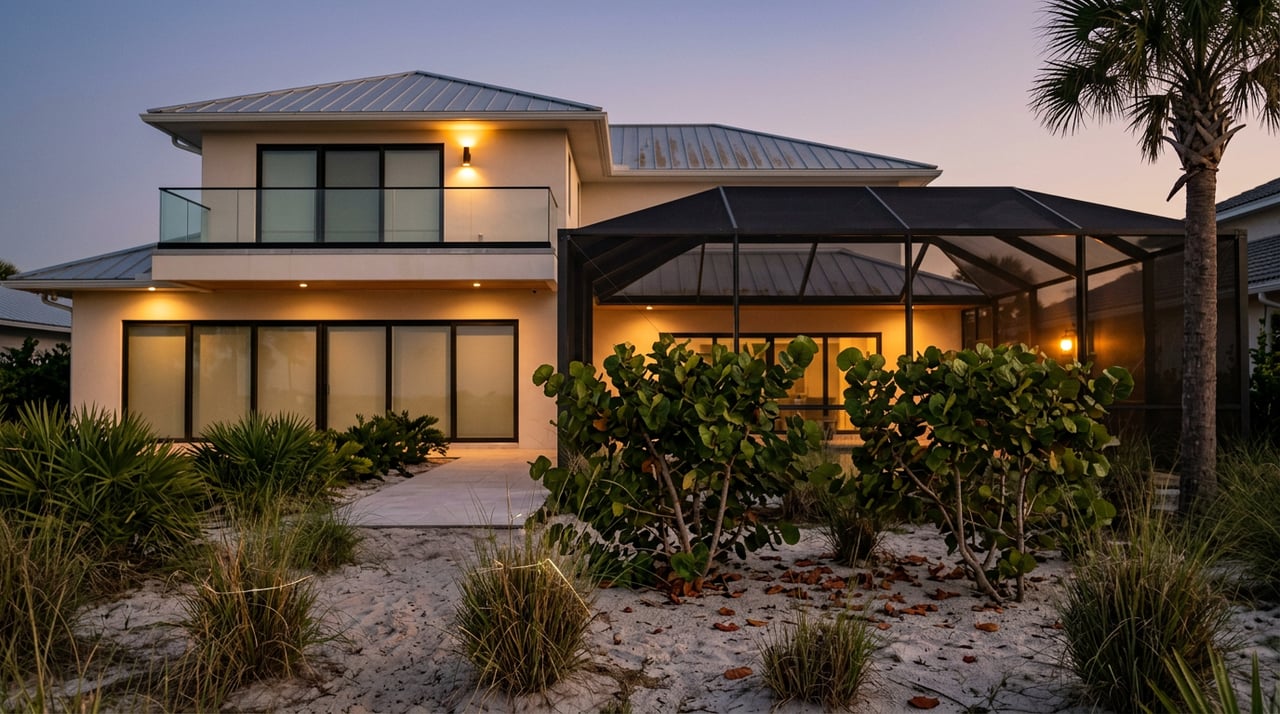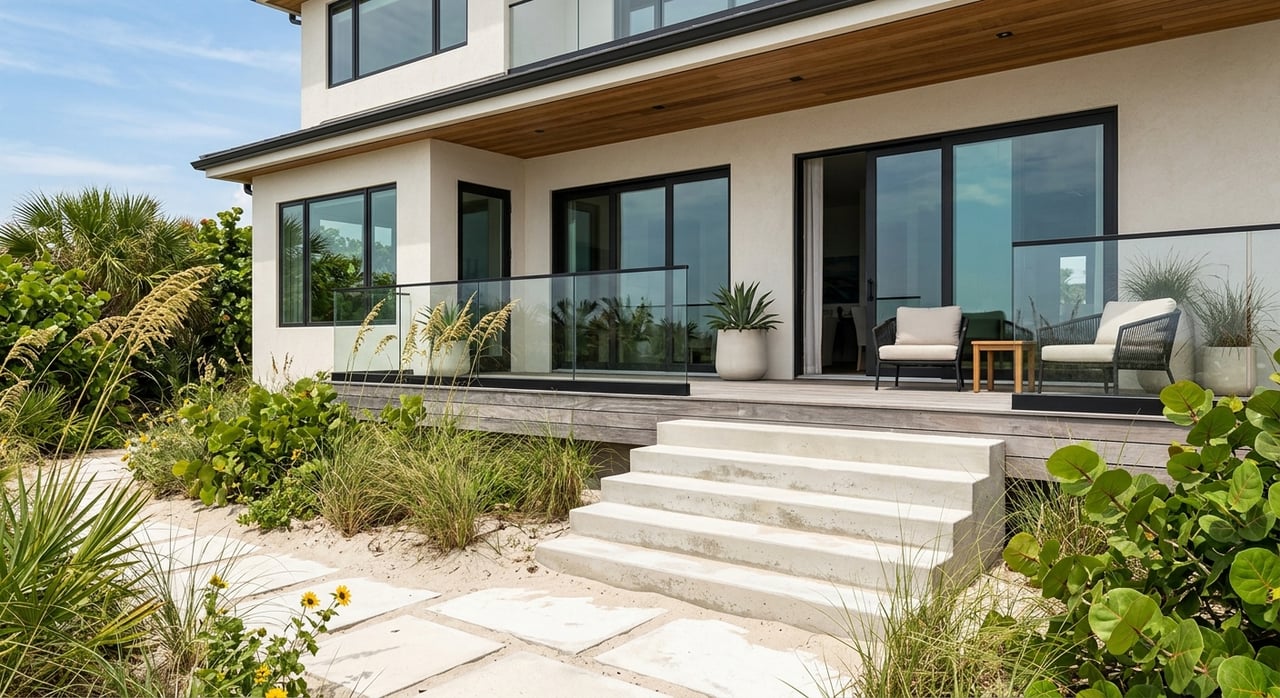
You want the beach life without the endless upkeep. A Melbourne Beach condo can deliver that, but HOA life comes with its own rhythms, rules, and costs. If you understand how associations work, what dues really cover, and where the big risks hide, you can choose a building that fits your lifestyle and budget. This guide gives you the essentials so you can move forward with confidence. Let’s dive in.
How Melbourne Beach condo HOAs work
What the association handles
In Florida, a condominium association operates the property on behalf of owners. The board enforces the governing documents, adopts budgets, collects assessments, hires vendors or a manager, and maintains required insurance. The board also has fiduciary duties under the Florida Condominium Act. You can review these responsibilities in Chapter 718.111 of the Florida Statutes for a clear picture of the association’s role and obligations. Florida’s Chapter 718.111 outlines association powers and duties.
Meetings, records, and transparency
Associations must keep official records and make them available to owners within statutory timelines. They also prepare annual financial reports, which may be compiled, reviewed, or audited depending on revenue. These records are vital if you are evaluating the building’s health. See the record‑keeping and access requirements in Florida Statute 718.111.
Budgets, reserves, and new funding rules
Each year the board adopts a budget that covers operating expenses and reserves for major components. Recent updates to the law elevated reserve funding and created structural integrity reserve study (SIRS) requirements for qualifying buildings. If the budget pushes assessments above certain thresholds compared to last year, special procedures apply. You can read the budgeting and reserve rules in Florida Statute 718.112.
What your monthly dues cover
Monthly condo dues typically fund building and grounds care, common systems, management, property insurance for the building’s common elements, and reserve contributions. Exact responsibilities depend on the declaration, so it is smart to confirm what the association versus the owner maintains. The law spells out association maintenance and insurance duties in Florida Statute 718.111.
Why fees vary in Melbourne Beach
In Melbourne Beach, you will see dues that range widely. Smaller or older buildings with fewer amenities may sit in the low hundreds per month, while oceanfront or full‑service buildings can reach $1,000 or more. Differences usually come from amenities, whether elevators or on‑site staff are present, insurance costs, and how fully reserves are funded. Always verify what your dues include before you compare buildings.
Insurance 101 for condo owners
Master policy versus your HO‑6
The association typically insures the structure and common elements with a master policy. You purchase an HO‑6 policy for your unit’s interior finishes, personal property, liability, and loss‑assessment coverage. Association insurance responsibilities appear in Florida Statute 718.111.
Hurricane deductibles and loss‑assessment exposure
Many master policies carry percentage‑based hurricane deductibles, which can translate into large dollar amounts after a major storm. Florida law requires a unit owner’s policy to include at least $2,000 of loss‑assessment coverage for qualifying assessments after a covered loss. Many owners choose higher limits to reduce out‑of‑pocket risk. Review the requirement in Florida Statute 627.714 and compare your HO‑6 limits to the association’s master‑policy deductible.
Building safety and inspection rules
Following Surfside, Florida now requires milestone inspections for residential buildings that are three habitable stories or higher. Coastal buildings may face earlier initial inspections, followed by recurring cycles. These inspections and any required repairs can drive special assessments or higher reserves, so confirm a building’s status and timelines. See the milestone framework in Florida Statute 553.899. For reserve study requirements tied to structural integrity, review Florida Statute 718.112.
Rules, amenities, and renting
Common amenities in local buildings
Many Melbourne Beach condos offer beach access, pools, elevators, assigned parking, storage, fitness rooms, and clubrooms. What you actually get varies by complex, so request the community’s features list along with the budget and rules.
House rules you will commonly see
Expect clear policies on pets, parking, noise, and alterations. Some declarations also address hurricane protection such as shutters or impact glass and how costs are shared or credited. To understand how rules are created and enforced, see the association governance provisions in Florida Statute 718.111.
Short‑term rentals in the Town of Melbourne Beach
The Town adopted a vacation‑rental ordinance that sets permitting, occupancy, and operational standards for short‑term rentals within town limits. Even if the Town permits vacation rentals, your building’s declaration may prohibit or limit them, or impose minimum lease terms. If your plan includes renting, confirm both sets of rules. Review the Town’s policy in Ordinance 2024‑05.
Due diligence checklist before you write an offer
Use this quick list to size up a building’s financial health, safety status, and fit for your plans:
- Resale or estoppel certificate with all amounts owed and any pending special assessments. See disclosure and timing rules in Florida Statute 718.116.
- Current budget and most recent financial statements. Look for reserve contributions and any operating deficits. See association duties in Florida Statute 718.111.
- Reserve study or structural integrity reserve study and any milestone inspection reports or schedules. Review reserve and SIRS frameworks in Florida Statute 718.112.
- Master insurance declarations. Note the wind or hurricane deductible and whether flood insurance is carried at the building level.
- Governing documents and rules. Focus on rentals, pets, parking, and alteration procedures. See governance basics in Florida Statute 718.111.
- Recent meeting minutes, ideally the last 12 to 24 months, to scan for capital projects, insurance renewals, reserve changes, and litigation.
- Financing eligibility. Ask your lender about the condo project review and whether the building is listed in Fannie Mae’s tools. Learn more about project review via Fannie Mae’s Condo Project Manager.
- Flood zone and elevation. If the property lies in a FEMA Special Flood Hazard Area, lenders and associations often require flood coverage. Check parcel‑level data using Brevard County GIS and FEMA overlays.
Local hazards to plan for
Melbourne Beach sits on a barrier island along the Atlantic. Hurricanes, storm surge, and coastal flooding are part of the risk profile. The Town offers practical preparedness resources you can use to plan ahead and protect your investment. Review local guidance on the Town’s hurricane preparedness page.
How we help you choose the right condo
Buying a condo is about more than the view. It is about the building’s finances, insurance, inspection timeline, and rules matching your goals. Our team pairs local knowledge with a clear process so you can evaluate dues, reserves, inspections, and rental policies without surprises. We help you request and interpret the key documents, coordinate with your lender on project approval, and connect you with the right local resources.
If you are exploring Melbourne Beach condo living, reach out for focused guidance tailored to your goals. Start with a friendly consultation with MVP Sales Group (Meili Viera).
FAQs
What do Melbourne Beach condo HOA dues usually cover?
- Dues typically fund building and grounds maintenance, common systems, management, property insurance for common elements, and reserves, subject to your building’s declaration and budget.
How much are HOA fees for Melbourne Beach condos?
- Fees vary widely. Small or older buildings may be in the low hundreds per month, while oceanfront or amenity‑rich buildings can top $1,000. Always confirm what is included.
What is a Florida condo estoppel certificate and why does it matter?
- It is an association document that states amounts owed and any pending assessments for a unit. It helps you avoid surprises at closing and is governed by Florida Statute 718.116.
Can I use my Melbourne Beach condo as a vacation rental?
- Maybe. The Town’s vacation‑rental ordinance sets permits and standards, and many associations restrict short‑term rentals or require longer minimum lease terms. Check both sets of rules.
How do milestone inspections affect older coastal condos?
- Buildings three stories or higher face periodic inspections, with earlier deadlines possible near the coast. Inspections and repairs can lead to special assessments or higher reserves.
Do I need flood insurance for a Melbourne Beach condo?
- If the property is in a FEMA Special Flood Hazard Area, lenders and associations often require flood coverage. Confirm the flood zone and elevation before you make an offer.