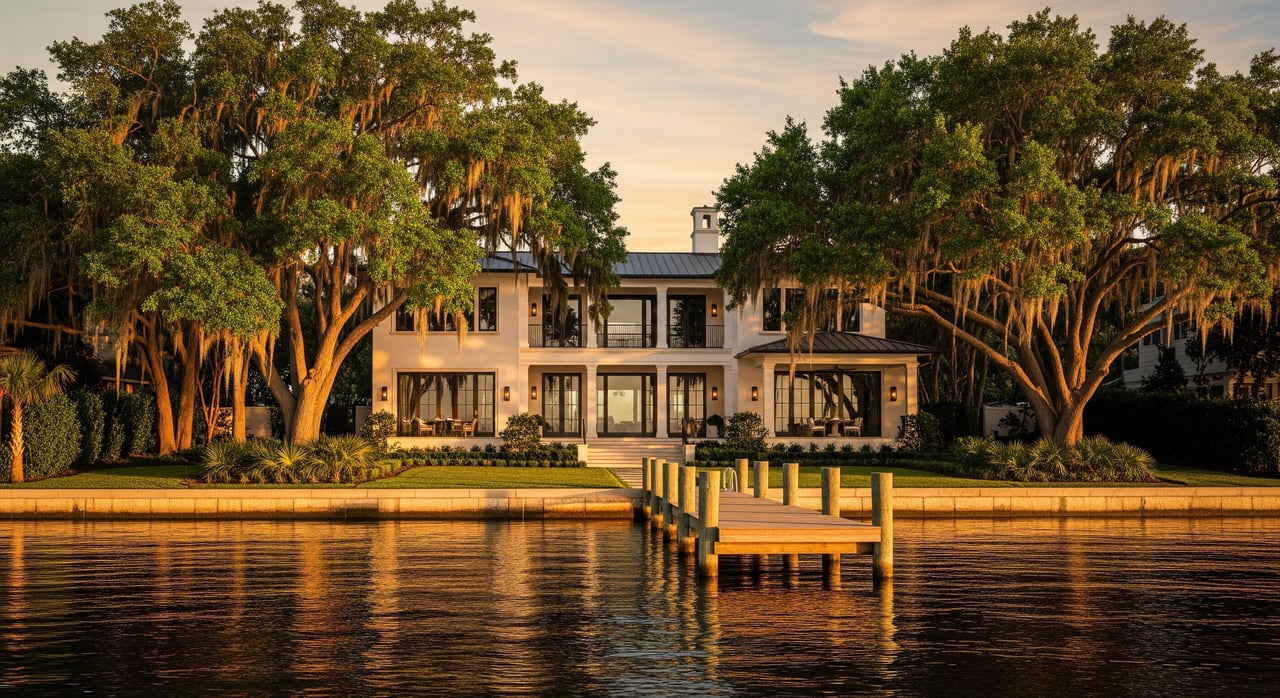
Do you picture weekends on Lake Washington with a boat at the ready, but you are not sure if an HOA or a no‑HOA home fits your lifestyle? You are not alone. Around The Woodlands of Lake Washington and nearby subdivisions, buyers often weigh community rules against freedom and storage needs. In this guide, you will learn what HOA and no‑HOA really mean in Florida, how they impact boats and RVs, what to watch in documents, and how fees and rules affect value. Let’s dive in.
HOA vs no HOA: what it means
In Florida, a homeowners’ association is a private group created by recorded covenants and governed by a board. You will see documents called a declaration or CC&Rs, plus bylaws and rules. The HOA collects dues to fund maintenance, insurance for common elements, reserves, and enforcement. The framework is covered by Florida Statutes Chapter 720.
A no‑HOA property does not have a community association that enforces private covenants. Standards are set by county and state zoning, and by any recorded subdivision covenants if they exist. The tradeoff is simple: HOAs often provide predictability and amenities, while no‑HOA offers more autonomy and generally fewer recurring association costs.
If you want consistent curb appeal and shared spaces, an HOA can work well. If you want fewer restrictions on parking, storage, or exterior changes, no‑HOA may be best. Around Lake Washington, the choice often comes down to dock rights, boat access, and where you can store your gear.
Lake Washington considerations
Water access is the big decider here. Some communities offer private lake access, a shared dock, or deeded riparian rights. Others provide no access at all. Confirm how access works for each property you tour and whether a dock is private, shared, or managed by an HOA.
Dock construction or repair usually needs local permits. In Brevard County, that can involve Planning and Development or Environmental Permitting. Depending on the site, the Florida Department of Environmental Protection and the U.S. Army Corps of Engineers may also be involved. Ask for any permit history on an existing dock and verify if the lot includes riparian rights.
Flood risk is another factor. Waterfront and low‑lying lots are more likely to fall within FEMA flood zones, which affects insurance cost and loan requirements. HOAs may insure common structures, but you still need your own homeowners and flood policies for your home.
What HOAs often regulate
Most HOAs use an Architectural Review Committee, sometimes called the ARC. You submit plans for exterior changes and wait for written approval. Commonly reviewed items include exterior paint, roofing, fencing, landscaping, driveways, outbuildings and sheds, screen enclosures, and visible solar panels or satellite dishes.
Use and occupancy rules also matter. Check for rental term minimums, rental caps, and registration steps, especially if you are considering short‑term rentals. Pet policies can include limits by number, size, or breed. Parking rules often cover commercial vehicles, boats, RVs, and trailers.
Maintenance standards set the look and feel of the neighborhood. If owners fall short, the HOA may fine, place a lien, or take corrective action and bill the owner. Learn how rule changes are approved, the owner vote needed for amendments, and how disputes are handled.
Boat and RV storage: where you can park
If you plan to bring a boat, trailer, or RV, review storage rules first. HOAs frequently restrict visible parking on the driveway or street. Some require storage in a garage or screened enclosure, or off‑site storage. A few communities provide a designated storage lot. If there is a storage area, ask about capacity, cost, and any waitlist.
No‑HOA properties are not rule‑free. County ordinances and zoning still apply. In some streets near Lake Washington, owners keep boats on their lot. In others, codes may limit long‑term parking in yards or blockages of the right‑of‑way. Always check both the HOA’s rules (if any) and Brevard County code before you buy.
Amenities, fees, and who pays for what
HOA dues fund common‑area maintenance, landscaping, lighting, road or drive upkeep if private, insurance for common elements, security, and operation of amenities like pools, clubhouses, or marinas. Fees can be billed monthly, quarterly, or annually. Special assessments are extra charges for big projects or shortfalls.
Healthy reserves matter. A reserve fund covers long‑term repairs such as roads, roofs, or docks. Ask for the most recent reserve study or, at minimum, a statement of reserves. Underfunded reserves often lead to special assessments later.
Clarify insurance. The master policy usually covers common areas. Your personal policy will cover your dwelling, interior, and belongings. Ask about deductibles and consider loss assessment coverage if the HOA ever passes a claim cost to owners.
Resale, lending, and market appeal
The right HOA can help resale by keeping standards high and amenities well maintained. Strict rules or high fees can limit the buyer pool. Well‑managed communities with desirable access and clear policies often perform better.
Lenders may review HOA budgets, reserves, and litigation. Condominiums face even closer underwriting than single‑family HOAs. In Florida, sellers and associations provide resale disclosures, such as estoppel letters that show dues status and any liens. A history of litigation or frequent special assessments can slow a deal or change financing options.
Minutes tell a story. Review board and membership meeting minutes for the last 12 to 24 months to see how the community handles projects, violations, and disputes. A pattern of conflicts can mean higher legal costs and less predictable rules.
Flood zones and insurance basics
Lake‑area homes can carry higher flood risk. Mortgage lenders use FEMA flood maps to decide if flood insurance is required. Even if not required, you may still choose a policy to lower your risk.
For homes in HOAs, remember the master policy does not cover your individual home. You will need a homeowners policy and, when applicable, flood insurance. Ask your insurance agent to explain any coverage gaps between the HOA’s master policy and your personal policies.
A quick framework to choose
Use this simple decision lens as you tour properties:
- If you value a shared dock, stable curb appeal, and planned amenities, an HOA can be a good fit. Confirm the rules and fees align with your lifestyle.
- If you value flexibility on parking, storage, and design, a no‑HOA or lightly restricted subdivision may be better. Verify county rules and any recorded covenants.
- If you are a boater or RV owner, make storage the first filter. Ask about on‑site options, waitlists, or off‑site alternatives before you fall in love with a house.
- If you are cost‑sensitive, compare dues plus any expected assessments against the savings and freedom a no‑HOA home offers.
Buyer checklist for Lake Washington
Use this checklist before you make an offer or during your due diligence period.
Documents to request
- Declaration or CC&Rs, plus any recorded covenants and restrictions
- Bylaws and Articles of Incorporation
- Current Rules and Regulations and any ARC guidelines
- Current and prior year budgets
- Most recent reserve study or a written statement of reserves
- Year‑to‑date financials and bank statements if available
- Board and membership meeting minutes for the last 12 to 24 months
- Insurance certificates showing master policy coverage and deductibles
- List of current assessments and any delinquent dues
- Estoppel or resale certificate showing amounts owed and status
- Pending litigation disclosures and recent legal invoices
- Documentation for planned capital projects or special assessments
- ARC application form and typical approval timeline
- Parking, boat, and RV policies, including any community storage rules
Questions to ask
- Is there an HOA? What is the fee, how is it billed, and who manages it?
- Are special assessments planned or recently approved? How much and why?
- What does the reserve study recommend for the next 5 to 10 years?
- Has the community had major litigation or insurance claims in the last 5 years?
- Are dock or boat rights included with this property? What permits exist for any private dock?
- What are the rental rules and how are they enforced?
- Where can boats and RVs be stored? Is there a waitlist for any on‑site storage?
- Which exterior changes require ARC approval and how long does approval take?
- How are violations handled and what are the fine and lien processes?
- Who enforces rules and how responsive is management?
- Are there recorded easements, shoreline restrictions, or shared dock agreements?
Field checks and verifications
- Search Brevard County records to see if covenants are recorded on the property
- Confirm the home’s flood zone and ask about any flood claim history
- For waterfront lots, check dock permits and who maintains the dock
- Review Property Appraiser and tax records for special assessments or liens
- Talk to neighbors about enforcement culture and board responsiveness
Pros to bring onto your team
- A real estate agent with Lake Washington waterfront experience
- A title company to verify recorded covenants and liens
- A real estate attorney for complex documents, litigation, or possible assessments
- A home inspector with waterfront and dock expertise
- An insurance agent to quote homeowners and flood policies and explain coverage gaps
The bottom line for Lake Washington buyers
Both HOA and no‑HOA options can work well around The Woodlands of Lake Washington. The right choice depends on how you want to live. If your priority is managed common areas, consistent standards, and defined amenities, an HOA can be worth the dues. If your priority is flexibility for boats, RVs, and exterior choices, a no‑HOA property may fit better.
Either way, make your decision with documents in hand, storage needs clear, and insurance costs known. If you want a second set of eyes on the details and a smooth path from tour to closing, our local team is here to help.
Ready to compare specific homes and review the fine print together? Connect with Meili Viera to schedule a personalized Space Coast market consultation.
FAQs
What is an HOA in Florida and how is it governed?
- It is a member‑run community association created by recorded covenants with a board that operates under Florida Statutes Chapter 720, plus its own declaration, bylaws, and rules.
How do boat and dock rights work near Lake Washington?
- Rights vary by property and subdivision, from private docks to shared access; verify deeded riparian rights, permits, and whether an HOA manages or maintains any dock.
What HOA documents should I review before buying?
- Request the declaration, bylaws, rules, ARC guidelines, budgets, reserve study, financials, insurance certificates, minutes, estoppel, and any litigation disclosures.
Can I park an RV or boat at home around Lake Washington?
- It depends on the property; HOAs often restrict visible parking while no‑HOA homes still must follow Brevard County code, so review both the rules and local ordinances.
How do HOA fees and reserves affect resale value?
- Well‑funded reserves and fair dues support stable amenities and buyer confidence, while underfunded reserves or frequent special assessments can reduce appeal and financing options.
Do I need flood insurance near Lake Washington?
- Mortgage lenders rely on FEMA flood maps to decide if it is required; even if optional, many buyers choose a policy due to the higher flood risk near waterfront areas.